I’ve set out on a journey to visit every country in the world, capturing travel stories and sharing advice along the way. While it’s unlikely I’ll make it to every country, I’m determined to visit as many as possible. With a long way to go and limited time, I know that every adventure begins with one step. My goal is to document this trek with practical travel tips, destination insights, and stories from the road, focusing on hidden gems and the challenges that come with exploring new places. These “working man journeys” reflect the ups and downs of travel, from the excitement of discovering new cultures to navigating travel difficulties. Through these posts, I hope to inspire fellow travelers to embark on their own journeys, offering helpful advice and sharing the experiences that make each destination unforgettable. Join me as I work toward visiting as many countries as I can!. These working man journeys are about more than just travel; they’re about embracing the adventure, overcoming obstacles, and savoring each moment along the way. Follow along as I strive to make the most of this trip called life.
Category: Travel Blog
July 2026 Maine
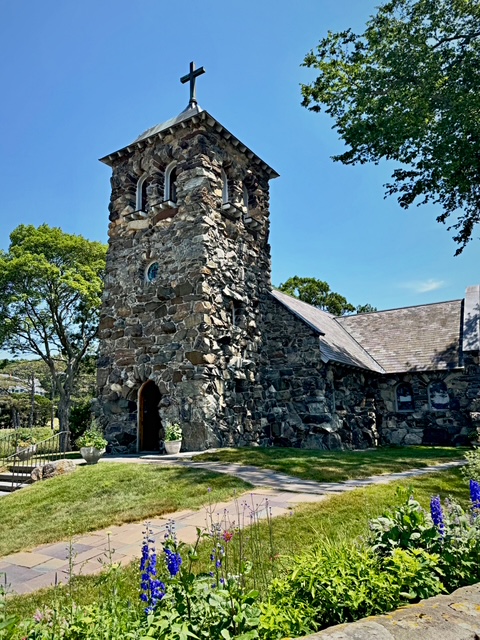

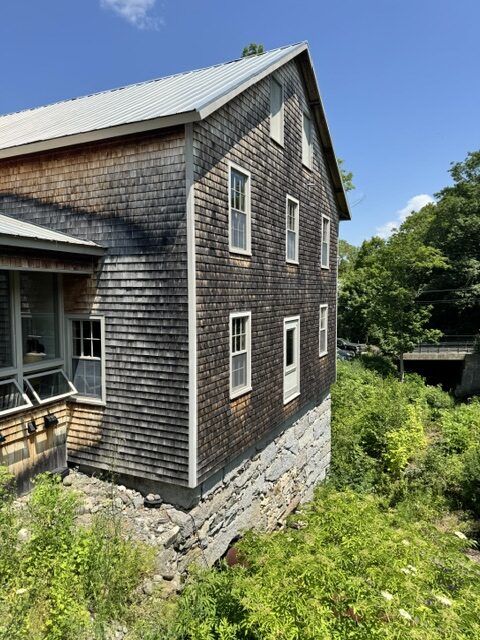
My wife and I recently traveled through Maine with my parents, visiting Portland, Cape Elizabeth, York, Wells, Freeport, Kennebunkport, Fryeburg, Bath, and Freedom, with a stop in North Conway, New Hampshire. The trip combined coastal scenery, family history, mountain roads, small towns, and some memorable meals.
We began in Portland, a city that blends a working waterfront with historic streets, restaurants, shops, and harbor views. The Old Port gave us a sense of Portland’s maritime character, with brick buildings, cobblestone streets, fishing boats, and ferries all sharing the same waterfront. We ate at DiMillo’s, the floating restaurant in the harbor, and spent time at the Cumberland Club, which offered a more traditional and historic setting. We also stopped at Bite Into Maine for lobster rolls, one of the meals that felt especially tied to the state.
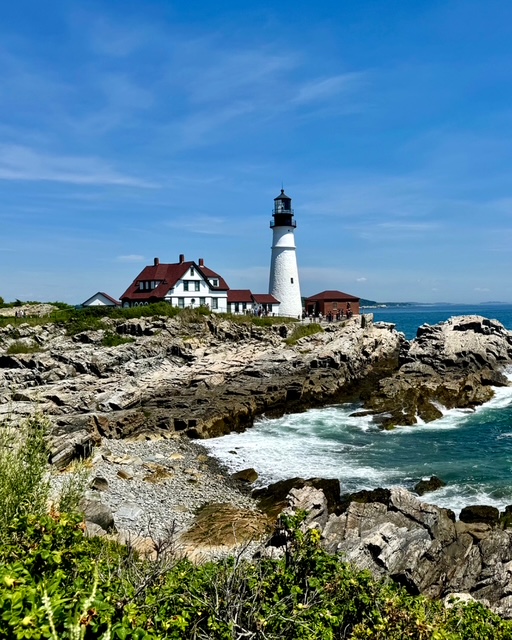
Cape Elizabeth offered some of the most recognizable scenery of the trip. Its rocky coastline, ocean views, and nearby lighthouse setting captured the classic image of coastal Maine. We ate at The Lobster Shack, where the seafood and the view came together in one of the most memorable stops of the trip.
York had a quieter, older New England character. The shoreline, historic homes, and coastal roads made it a pleasant place to drive and explore. It felt less busy than Portland and gave us a chance to enjoy the slower rhythm of southern Maine.
Our visit to Wells had a more personal purpose. We drove by Wells Beach, but our main destination was the historical society, where we researched our ancestors and learned more about our family’s connection to the area. Sharing that experience with my parents gave the visit added meaning. We also ate at Billy’s Chowder House, which fit naturally into a day spent exploring one of Maine’s historic coastal communities.
Freeport gave us a different kind of Maine experience. The town is known for shopping, but it still retains the feel of a small New England community. We visited the flagship L.L.Bean store, which was a destination in itself, and ate at The King’s Head. Freeport was lively, walkable, and easy to enjoy at a relaxed pace.
Kennebunkport was one of the most picturesque stops. The harbor, boats, coastal homes, shops, and village streets gave the town a polished but welcoming character. We ate at Mabel’s Lobster House, which became another favorite meal of the trip. Kennebunkport felt like a place designed for wandering, with attractive views around nearly every corner.
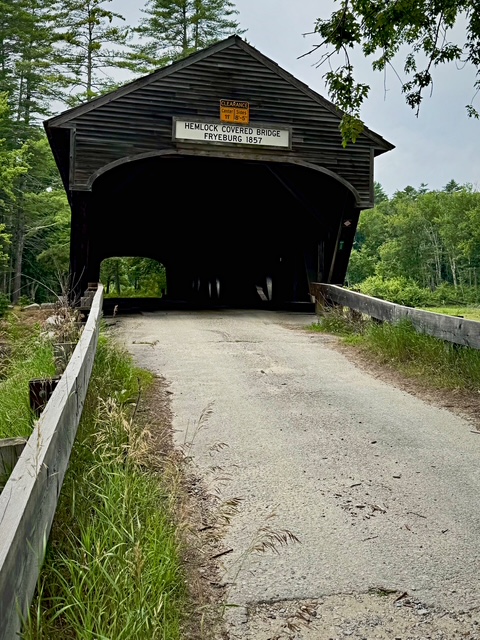
As we moved inland toward Fryeburg, the landscape changed noticeably. The ocean views gave way to forests, rivers, fields, and mountain scenery. Fryeburg showed us a more rural side of Maine and helped connect the coastal portion of the trip with the western part of the state.
We also crossed into North Conway, New Hampshire, where the mountain setting provided another change in scenery. North Conway had the feel of a classic New England mountain town, surrounded by forests and peaks. We ate at the Muddy Moose, which was a relaxed and fitting stop after a day of driving through the area.
Bath brought us back to Maine’s maritime history. Located along the Kennebec River, the city is closely connected to shipbuilding. Its historic downtown, older buildings, and riverfront gave it a strong sense of identity. Bath felt quieter than Portland, but its history was visible throughout the town.
Freedom was one of the most peaceful destinations on the trip. Its wooded roads, farms, and open spaces reflected the quieter side of rural Maine. It was also the setting for our most distinctive dining experience at The Lost Kitchen. The restaurant’s atmosphere, location, and connection to the surrounding community made the afternoon feel like an event rather than simply a meal.
The restaurants became part of the story of the journey. DiMillo’s, the Cumberland Club, Bite Into Maine, The Lobster Shack, Billy’s Chowder House, The King’s Head, Mabel’s, the Muddy Moose, and The Lost Kitchen each became connected to a particular place and memory.
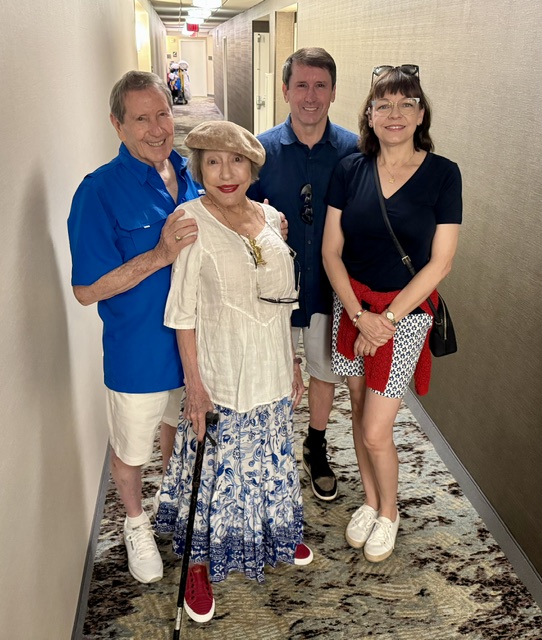
The most meaningful part of the trip was sharing it with my wife and my parents. The long drives, conversations, meals, coastal views, and family-history research gave us time together that everyday life does not always allow.
Maine gave us working harbors, rocky coastlines, historic towns, mountain roads, quiet villages, and a closer connection to our family’s past. We returned home with photographs, stories, and memories from a trip that brought together family, history, food, and a wide range of New England scenery.
June 2026 Iceland and Norway

From volcanic landscapes to Scandinavian coastlines, this journey through Iceland and Norway was one I’ll never forget.
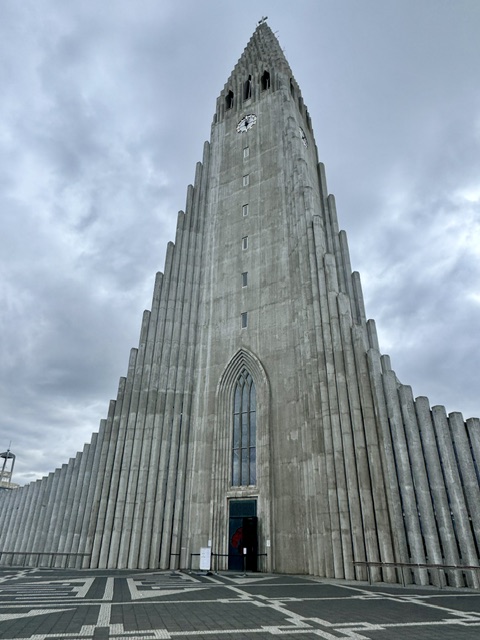
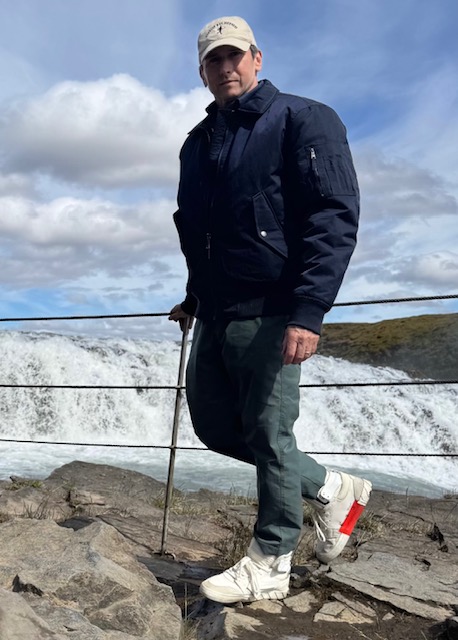
Iceland is a country where nature takes center stage. Reykjavík provided a vibrant starting point before the landscapes of the Golden Circle revealed some of the world’s most remarkable natural wonders. Brúarfoss shimmered with its brilliant blue glacial water, Geysir and Strokkur demonstrated the Earth’s incredible geothermal power, and Gullfoss thundered into a rugged canyon with breathtaking force. The journey also included Þingvellir National Park, where two tectonic plates slowly drift apart, and Hvitserkur, the striking sea stack often called the “Eye of the World,” standing like an ancient guardian along the northern coast.
The adventure continued in Norway, where I had the privilege of presenting my research at the European Academy of Management (EURAM) Conference. It was an honor to exchange ideas with scholars from around the world while exploring a country that effortlessly combines history, innovation, and natural beauty.
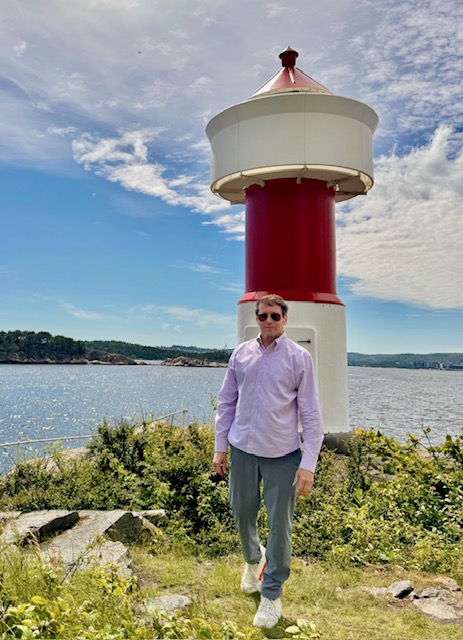
Oslo impressed with the medieval Akershus Fortress overlooking the fjord and the iconic Opera House, where visitors can walk across the roof for panoramic views of the city and waterfront. Farther south, Kristiansand offered a different experience with its charming downtown, colorful harbor, and picturesque lighthouse, capturing the relaxed character of Norway’s southern coastline.
Some trips are measured by the places you visit. Others are defined by what they leave behind. This journey offered unforgettable landscapes, meaningful conversations, and a renewed appreciation for both the power of nature and the value of connecting with people and ideas across the world.
December 2025 Rio de Janeiro, Brazil
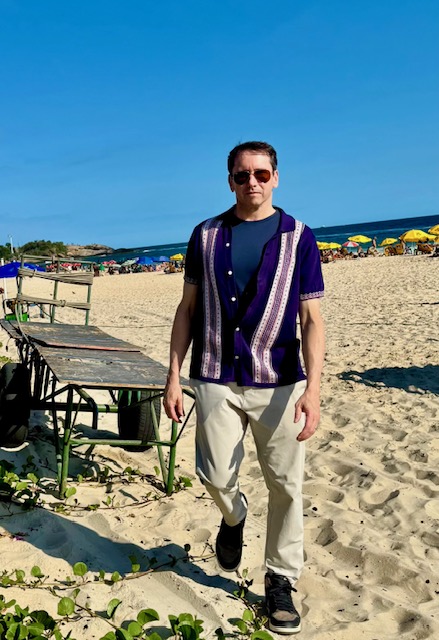
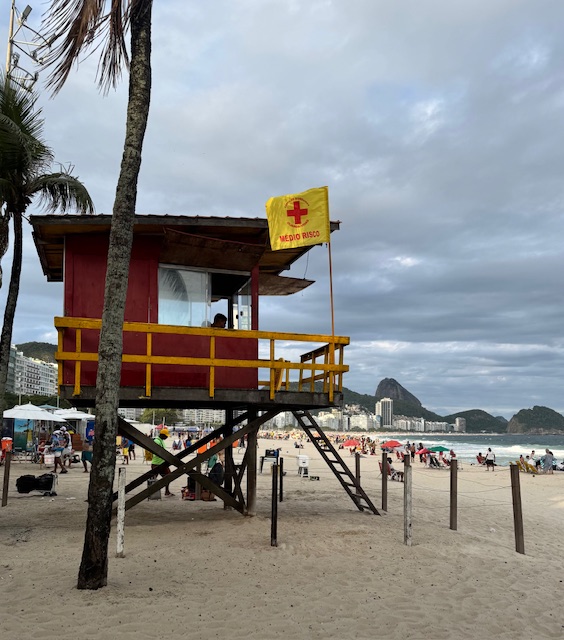
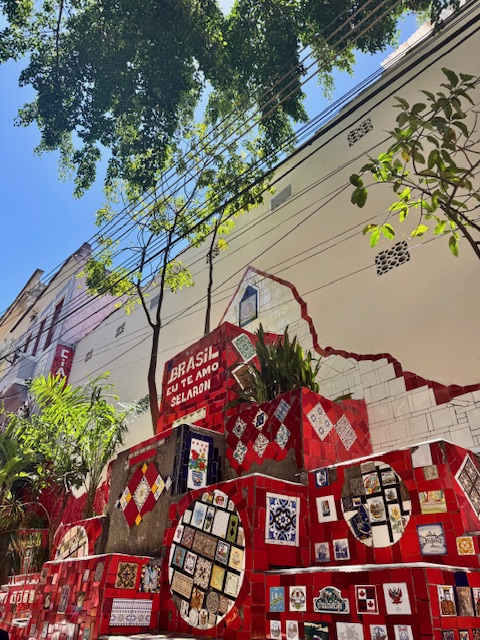
December in Rio de Janeiro, Sun, Color, and the Pulse of Summer
Visiting Rio de Janeiro in December means stepping straight into summer. The city feels alive from the moment you arrive, with warm ocean air, long daylight hours, and a rhythm that moves effortlessly between beach culture, dramatic landscapes, and historic neighborhoods. December sits just before peak holiday crowds, which makes it an ideal time to experience Rio at full energy without feeling overwhelmed.
Day One, Ipanema and the Spirit of the City
The trip began in Ipanema, where Rio’s personality reveals itself immediately. The beach is more than sand and water, it is a social stage. Locals jog along the promenade, families gather under umbrellas, and vendors move easily through the crowd selling everything from coconut water to grilled queijo coalho. Watching the sun set over the Dois Irmãos mountains from Ipanema feels like a daily ritual, one that captures Rio’s balance of beauty and simplicity.
Day Two, Heights Above the Harbor
No visit to Rio is complete without seeing the city from above. A morning trip to Corcovado brought the unforgettable view from Christ the Redeemer, where the city unfolds in every direction, beaches, forests, and dense neighborhoods pressed between mountains and sea. Later, Sugarloaf Mountain offered a different perspective, especially as the light softened in the late afternoon. Watching boats drift across Guanabara Bay from that height is one of those moments that stays with you long after the trip ends.
Day Three, Color, History, and Downtown Rio
The third day shifted into Rio’s historic core. The Selarón Steps were a highlight, a mosaic explosion of color and creativity tucked between neighborhoods. From there, downtown Rio revealed a quieter side of the city, with landmarks like the Metropolitan Cathedral and Candelária Church offering moments of reflection amid the urban bustle. Lunch at Zazá Bistrô tied the day together, fresh flavors and a relaxed atmosphere that felt distinctly carioca.
Day Four, A Final Taste of Copacabana
The final day moved at a slower pace, with a café stop to soak in the last morning in the city. That evening ended at the Copacabana Palace, a fitting farewell. Dinner there feels timeless, elegant without being distant, and deeply connected to Rio’s history. Walking along Copacabana Beach afterward, with waves rolling in and music floating through the air, was the perfect closing note.
Why December Works So Well
December in Rio offers hot weather, vibrant energy, and a sense of anticipation as the city gears up for the holidays. Beaches are lively but not yet at New Year’s intensity, and the summer atmosphere brings out Rio’s most magnetic qualities.
Rio de Janeiro is a city of contrasts, natural beauty alongside urban grit, quiet moments next to constant motion. Visiting in December lets you experience all of it at once, sun soaked, colorful, and unforgettable.
November 2025 Great Smoky National Park, NC
A Perfect Day in the Great Smokies: The Train, Bryson City, and the Road to Nowhere

Some trips are memorable because of where you go. Others stay with you because of who you share them with. Our day in the Great Smoky Mountains, in and around Bryson City, was both.
My wife and I went with my parents, and from the moment the mountains came into view, the pace of everything seemed to change. The drive itself felt like part of the experience, blue ridges stacked against the sky, forests rolling endlessly in every direction, inviting us to slow down before we ever arrived.
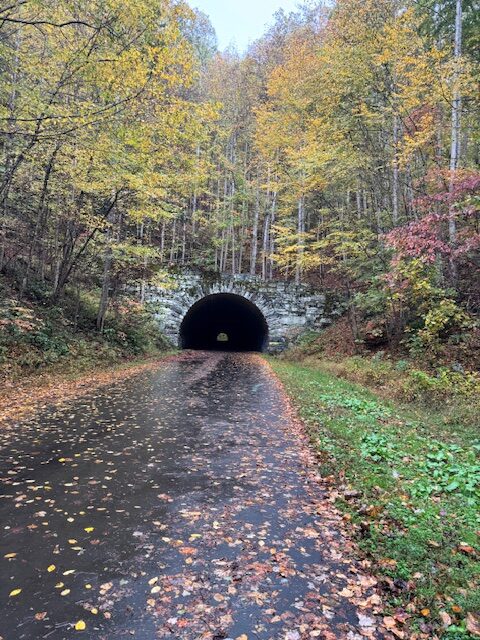
Our first stop was the Great Smoky Mountains Railroad. Stepping onto the train felt like stepping into another time. The whistle echoed through the valley, the cars rolled forward, and the outside world slowly gave way to rivers, forests, and mountain slopes unfolding around every curve of the track. We talked, we laughed, and sometimes we simply sat in quiet, watching the Smokies pass by. Sharing that view across generations made the experience even richer.
The rhythm of the ride was unhurried and grounding. No rush, no schedules, just the steady movement of the train and the quiet presence of the mountains.
After the ride, we returned to Bryson City. The town greeted us the way small mountain towns do best, relaxed, welcoming, and full of character. We wandered the shops, took in the river, shared lunch, and enjoyed the simple pleasure of being together with nowhere else we needed to be.
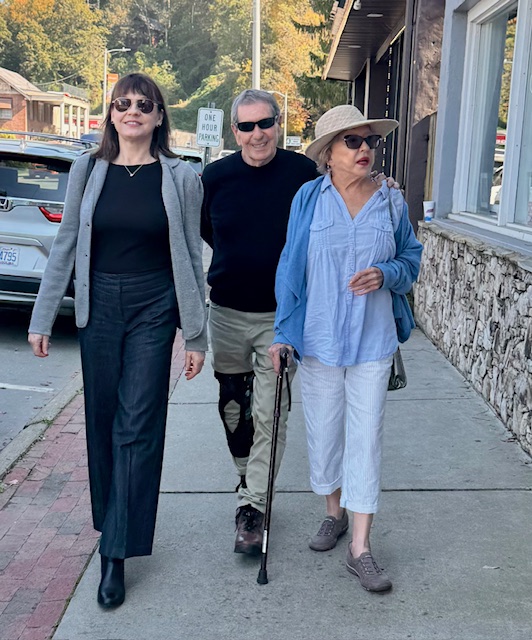

Before heading home, we made one final stop at the Road to Nowhere. The name may sound strange, but standing there, looking out over the water and the mountains beyond it, it felt like anything but. The walk through the tunnel and out to the overlook brought one of those moments when everyone grows quiet. The view was wide, peaceful, and humbling, the kind that settles into memory without effort.
The Smokies have a way of reminding you what matters. Not the rush, not the noise, but the people beside you and the moments that allow you to be fully present with them.
It was not just a trip. It was a memory we will always carry.
September 2025 Bogota, Colombia
A September Day in Bogotá
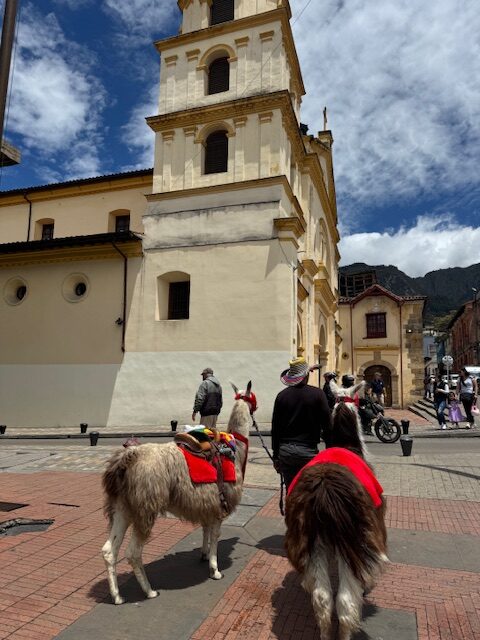
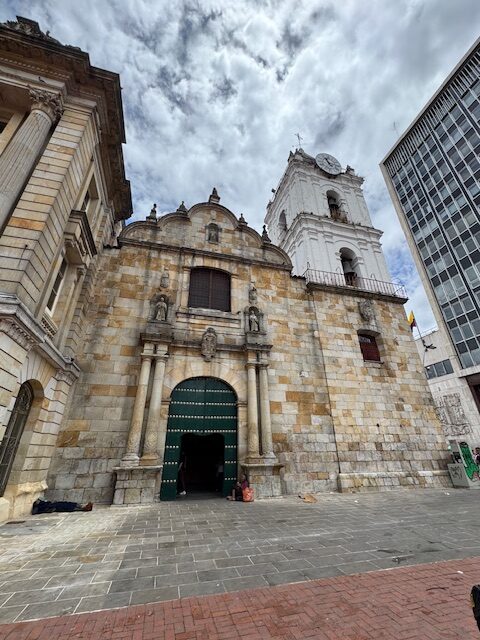
In September 2025, I explored Bogotá’s best-known landmarks in a single unforgettable day. I wandered the cobblestone streets of La Candelaria, where colorful colonial houses and the grand Plaza de Bolívar capture the city’s historic heart.
For lunch I ducked into La Puerta de la Catedral, a cozy spot steps from the cathedral, and warmed up with a classic bowl of ajiaco—Bogotá’s signature chicken and potato soup.
In the afternoon, I rode the cable car to the summit of Monserrate for sweeping views of the capital and the distant Andes. I ended the day at the Gold Museum, home to dazzling pre-Columbian artifacts, including the legendary Muisca Raft that inspired the tale of El Dorado.
From mountain vistas to golden treasures, Bogotá in September proved a perfect blend of history, flavor, and breathtaking scenery.
July 2025 Copenhagen, Denmark

In July 2025, I had an incredible trip to Copenhagen, where I had the honor of presenting my research at the Academy of Management Annual Meeting. It was a privilege to share ideas and connect with scholars from around the world in such an inspiring setting.
Outside the conference, I had the chance to experience the beauty and culture of Denmark firsthand. I visited Amalienborg and watched the changing of the guards, climbed the Round Tower for panoramic views of the city, and explored Rosenborg Castle and its crown jewels. I walked the vibrant streets of Nyhavn and paused often to enjoy a pastry and coffee while soaking in the peaceful rhythm of the city.
One memorable evening included dinner at Marchal inside the historic Hotel d’Angleterre, located just off Kongens Nytorv. The meal, the setting, and the hospitality were unforgettable.
June 2025 Lower Mississippi
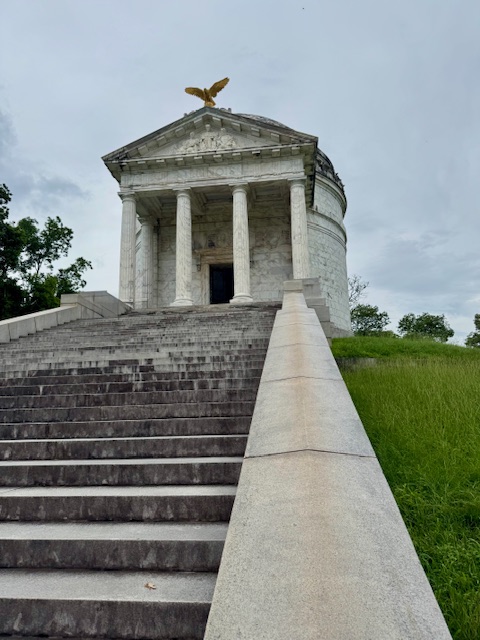
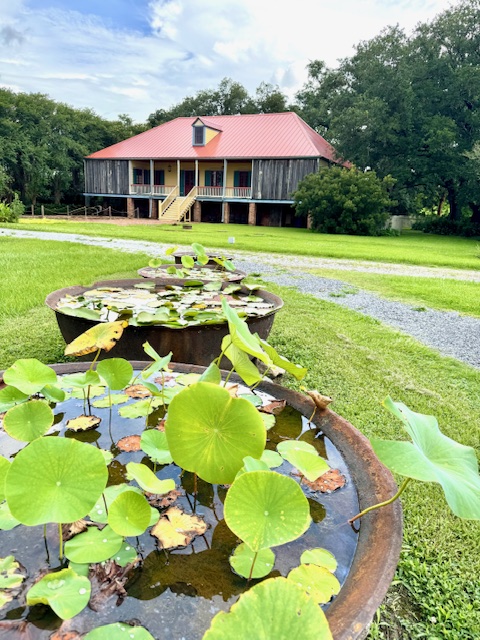
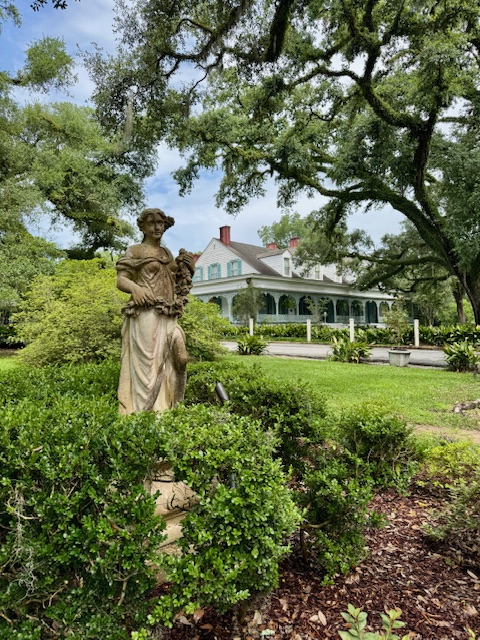
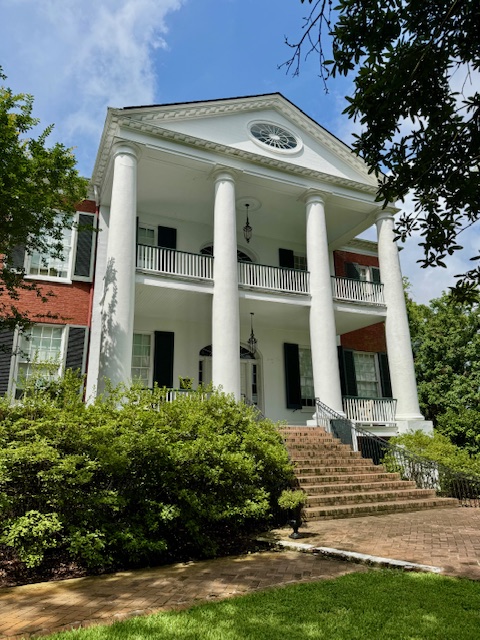
There’s no better way to experience the soul of the American South than by drifting down the mighty Mississippi River aboard an American Heritage river cruise. This unforgettable journey down the Lower Mississippi, typically from Memphis to New Orleans, offers more than scenic beauty—it’s a living lesson in history, culture, and Southern charm.
A River of Stories
The Lower Mississippi River is steeped in American heritage. As the lifeblood of early commerce, it shaped the destinies of entire towns and inspired writers like Mark Twain. Cruising its winding path feels like stepping into the pages of a storybook—each bend reveals a new chapter, from Civil War battlefields to antebellum mansions.
Memorable Ports of Call
Each stop along the Lower Mississippi is rich with character, offering a deeper understanding of the region’s complex and colorful past.
- Vicksburg, Mississippi: A defining Civil War site, where the siege of Vicksburg turned the tide of the war. Visitors can explore both the Vicksburg National Military Park and the surrounding historic town, filled with monuments, museums, and a strong sense of reverence for the past.
- Natchez, Mississippi: Known for its antebellum elegance, Natchez is home to some of the most beautiful mansions in the South. A visit to Rosalie Mansion, perched high above the river, offers a glimpse into 19th-century life and the architectural splendor of the era.
- St. Francisville, Louisiana: This small town is full of charm and mystery. Among its highlights is the Myrtles Plantation, often called one of the most haunted homes in America. Beyond the ghost stories, it’s also a testament to plantation-era history and the people—enslaved and free—who lived there.
- Laura Plantation: Near Vacherie, Louisiana, this Creole plantation focuses on the stories of enslaved individuals and their contributions, told with authenticity and depth. It’s an essential stop for understanding the human cost of Southern prosperity.
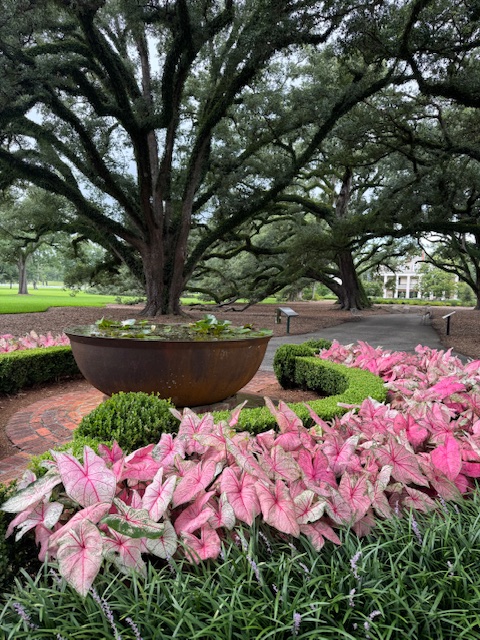
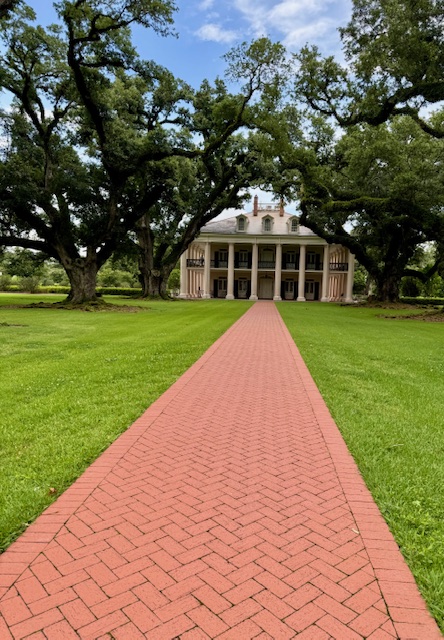
- Oak Alley Plantation: A true icon of Southern imagery, Oak Alley is famed for its stunning corridor of 300-year-old live oak trees. The grounds, exhibits, and stories provide a balanced and sobering look at life on a sugarcane plantation.
A Floating Heritage Experience
The ship itself—such as American Heritage, a classic paddlewheeler from American Cruise Lines—is part of the charm. Blending 19th-century aesthetics with modern comfort, it features wide verandas, intimate lounges, and lectures from onboard historians. As you glide past moss-draped trees and timeworn levees, the river becomes your classroom.
May 2025 Portugal




Portugal in Style: A Short Escape to the Edge of Europe
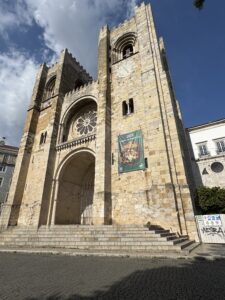
From tiled streets to towering cliffs, Portugal offers a rich blend of elegance, history, and soul. On our recent trip, we split our stay between the regal Lapa Palace, tucked into Lisbon’s embassy district, and the boutique-chic Ivens Hotel in the heart of Chiado—each offering a distinct experience of Portuguese luxury.
We dined well, from the literary charm of the private Grémio Literário Club, with its serene terrace above the Tagus, to the opulent Palácio Chiado, where every meal feels like a banquet in a palace. We stopped for croquete de frango at A Brasileira, a classic café with ties to Portuguese poets, and savored a memorable dinner at Rocco, where the food was bold and beautifully plated. Of course, we made the pilgrimage to Belém for the original Pastel de Nata—still warm, still perfect.
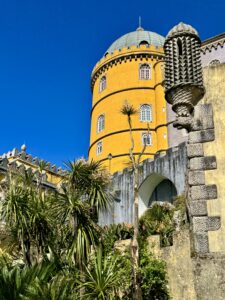
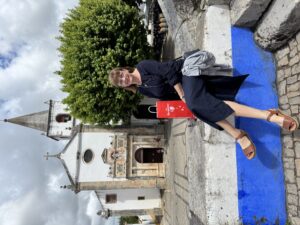
Our wanderings took us beyond Lisbon to the magical town of Sintra, the sunny shores of Cascais, and the storybook village of Óbidos. But nothing topped the view from Cabo da Roca—the westernmost point of mainland Europe—where cliffs plunge into the Atlantic and the wind makes you feel like you’re standing on the edge of the world.
Portugal was equal parts refinement and rugged beauty—a place where every moment invites you to slow down, look around, and fall in love.
November 2024 Nantes, France and Amsterdam, The Netherlands
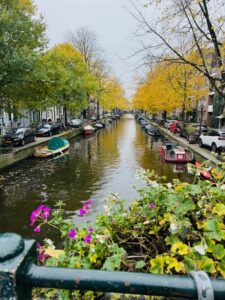
Exploring Nantes and Amsterdam: Two Cities, One Unforgettable European Journey
In November, 2024, I had the incredible opportunity to speak at a conference on entrepreneurship in Nantes, France, followed by a visit to Amsterdam, Netherlands. These two cities offered a perfect blend of professional experiences, cultural exploration, and historical charm. Here’s a look at what made this trip so unforgettable. Though vastly different in character, both cities offered unique experiences, from historical landmarks and striking architecture to delectable food and charming streets. Here’s a glimpse into my unforgettable journey through these two beautiful destinations.
The journey began in Nantes, a city in western France known for its maritime history, stunning architecture, and commitment to art and innovation. Located along the Loire River, Nantes is a city that beautifully blends the old with the new, offering both historical landmarks and cutting-edge modern attractions.
After the conference sessions, I took the opportunity to explore the old town of Nantes, a charming area full of history, winding streets, and impressive architecture. The Place Royale, a grand square surrounded by classical buildings, was a great starting point. From there, I wandered through the Bouffay District, one of the oldest neighborhoods in the city, where medieval and Renaissance buildings sit side by side with trendy cafés and boutique shops. The narrow cobblestone streets were lined with colorful facades and vibrant flower boxes, giving the area a welcoming, almost timeless feel.
A highlight of my walk through the old town was visiting the Cathédrale Saint-Pierre et Saint-Paul de Nantes. This stunning Gothic cathedral, with its soaring spires and intricate stained glass windows, provided a glimpse into Nantes’ rich history. It was a peaceful spot to pause and reflect, and the views from the cathedral’s surrounding square were beautiful.
One of the most unique attractions in Nantes is Les Machines de l’île (The Machines of the Isle), a whimsical mechanical park located on the former shipyards. Inspired by the world of Jules Verne, the Machines are a fascinating blend of artistry and engineering. The centerpiece is a towering mechanical elephant that walks around the park, allowing visitors to ride on its back. It’s an unforgettable experience, one that combines fantasy and reality in a way that only Nantes can offer.
Amsterdam: Canals, Culture, and Charm
After my time in Nantes, I hopped on a flight to Amsterdam, a city renowned for its picturesque canals, vibrant neighborhoods, and rich cultural scene. Amsterdam offers an entirely different atmosphere from Nantes, but it’s no less captivating.
Amsterdam’s canals are not only a UNESCO World Heritage site but also the beating heart of the city. The peaceful boat ride gave us a unique perspective on the city’s historic architecture and allowed us to relax while taking in the sights.
Amsterdam is a city of art and culture, and we made sure to visit some of its iconic museums. The Rijksmuseum, home to masterpieces by artists like Rembrandt and Vermeer, was a highlight. Wandering through its vast galleries, we were able to appreciate some of the world’s most famous paintings, each telling its own story of Dutch history and artistry.
Another must-see was the Van Gogh Museum, which houses the largest collection of Van Gogh’s work in the world. The museum offers a fascinating journey through the artist’s life, from his early, somber paintings to the vibrant, expressive works he became known for. The museum’s quiet, reflective atmosphere made it a perfect place to connect with the art.
Another unique spot was De Pijp, a multicultural neighborhood with a lively atmosphere, colorful street art, and vibrant markets. We stopped at Albert Cuyp Market, where we sampled Dutch cheeses, fresh herring, and other street foods while mingling with locals and visitors alike.
August 2024 Washington DC

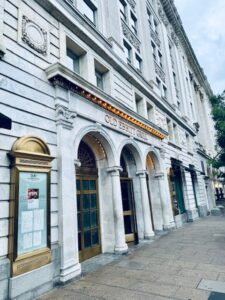

Attending and presenting at the Academy of Legal Studies in Business (ALSB) Annual Conference in Washington, DC, was a memorable experience, both professionally and personally. This year’s conference was held in the heart of the nation’s capital, bringing together legal scholars, educators, and practitioners from around the globe to discuss the latest developments in business law.
Staying at the Mayflower Hotel
The Mayflower Hotel, where I stayed, was a perfect choice for the conference. Its rich history and classic elegance added a special touch to my visit. Located just a short distance from the conference venue, the hotel was not only convenient but also offered a comfortable and luxurious retreat after a day full of sessions and networking. Walking through its grand lobby and enjoying the amenities provided an excellent balance between work and relaxation.
Exploring Washington, DC’s Culinary Scene
Washington, DC, is known for its vibrant culinary scene, and I made sure to savor some of the best it has to offer. One evening, I had dinner at Old Ebbitt Grill, a restaurant steeped in history. Established in 1856, it’s the oldest saloon in the city, and dining there felt like stepping back in time. The atmosphere was lively yet refined, and the menu offered a wide array of American classics. The oysters were a highlight, living up to the restaurant’s reputation among seafood lovers. The experience was more than just a meal—it was a connection to the tradition and legacy of Washington, DC, making it a must-visit for anyone exploring the city.
For lunch, I had the pleasure of dining at the Cosmos Club, an institution that exudes elegance and intellectual charm. Located on Embassy Row, the Cosmos Club has been a gathering place for leaders in various fields since its founding in 1878. The grand setting, with its beautifully appointed rooms and impressive library, fostered a sense of intellectual curiosity and thoughtful conversation. The meal was as exquisite as the company, making the visit a truly special experience.
Catching a Nationals Game
Taking a break from the academic sessions, I attended a Nationals game. The energy in the stadium was contagious, and it was a great way to unwind and enjoy America’s favorite pastime. The game offered a perfect blend of excitement and relaxation, reminding me of the importance of balancing work with leisure.
Visiting the Smithsonian American History Museum
No trip to Washington, DC, is complete without exploring its world-renowned museums. I made sure to visit the Smithsonian American History Museum, where I immersed myself in the exhibits showcasing the rich tapestry of American history. From the original Star-Spangled Banner to the First Ladies’ Inaugural Gowns, each display provided a deeper understanding of the nation’s past and present.