Follow my journey as I travel to every country in the world, sharing travel stories, tips, and insights along the way. In this category, I document my experiences exploring diverse countries, offering cultural discoveries, destination tips, and overcoming travel challenges. Whether you’re seeking advice on planning your own adventure, learning about different cultures, or simply enjoying the beauty of global exploration, these posts provide a unique perspective on traveling the world. Join me as I uncover hidden gems, navigate new landscapes, and offer practical advice for fellow travelers. Each destination adds another chapter to this ongoing journey of discovery.
Norway has a quiet confidence that never demands attention, but it is impossible to ignore.
I had the privilege of presenting my research at the European Academy of Management Conference, where scholars from around the world gathered to exchange ideas, challenge assumptions, and advance conversations in management research.
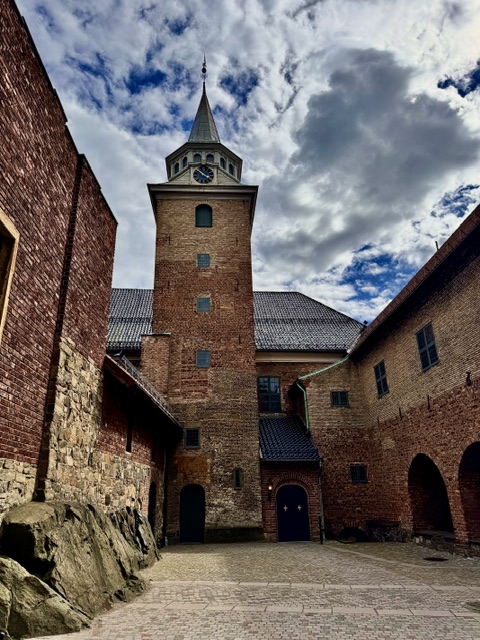
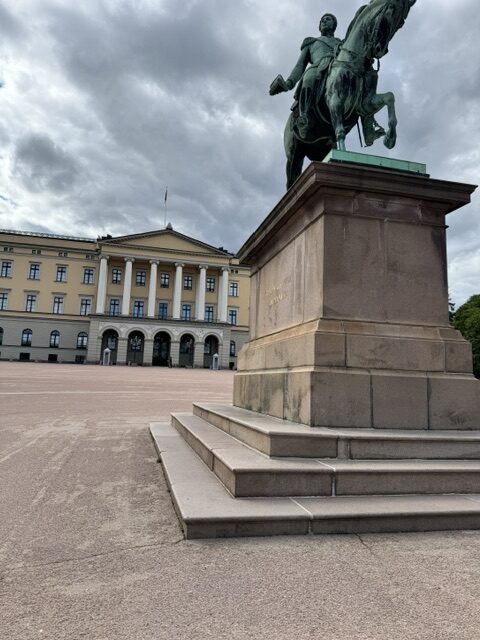
Oslo offered the perfect introduction to Norway. Akershus Fortress stands as a reminder of the country’s long history, while the Opera House reflects its modern design and cultural energy. Walking along the waterfront, it was easy to see how Oslo blends history, architecture, and nature so naturally.
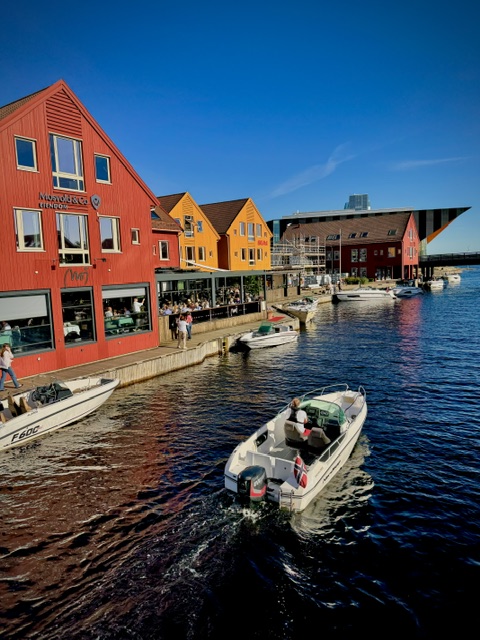
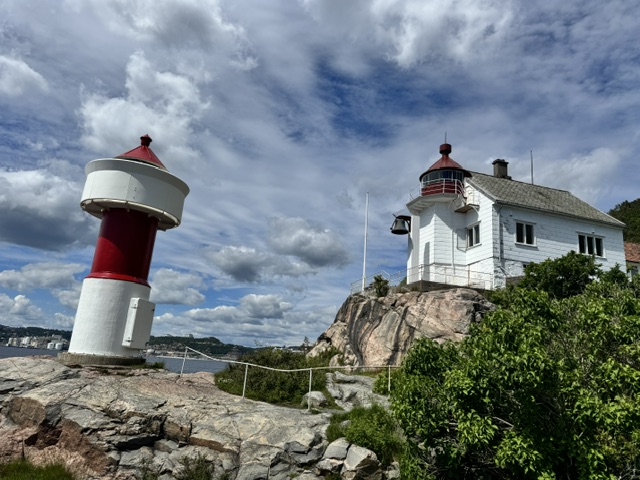
Traveling south to Kristiansand revealed another side of Norway. The downtown streets, colorful harbor, and coastal lighthouse captured the relaxed rhythm of the southern coast. It is a city that feels welcoming, historic, and closely connected to the sea.
The experience was a meaningful reminder that academic conferences are about more than presenting research. They are also opportunities to build connections, encounter new perspectives, and be shaped by the places that host them.
From the conversations at EURAM to the quiet beauty of Oslo and Kristiansand, Norway was memorable in every way.
Some places are beautiful. Iceland feels elemental.
Reykjavík is the perfect introduction to the country. Colorful homes, striking modern architecture, and a harbor framed by mountains create a city that is both vibrant and remarkably peaceful. It is a place where history and innovation exist side by side, making it easy to understand why so many travelers fall in love with Iceland before ever leaving the capital.
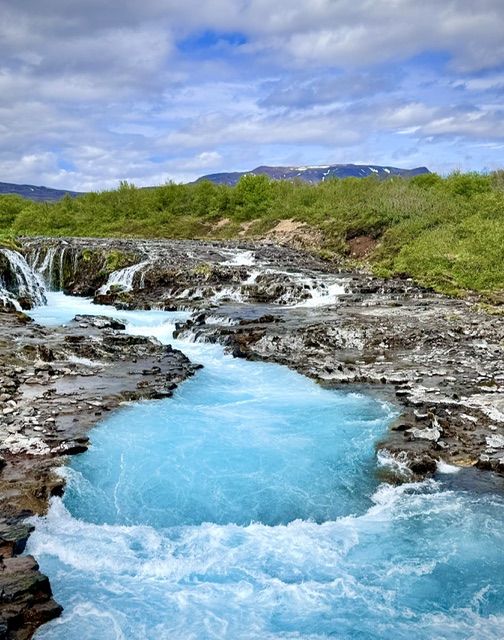
Driving into the Golden Circle reveals landscapes unlike anywhere else. Brúarfoss may not be the largest waterfall in Iceland, but it is one of the most mesmerizing. Its brilliant blue water races through a narrow volcanic channel, creating a scene that almost looks digitally enhanced. In reality, the color comes from glacial meltwater filtered through volcanic rock.
Nearby, Geysir reminds visitors that Iceland is very much a living island. Although the original Great Geysir now erupts only occasionally, neighboring Strokkur erupts every few minutes, sending a column of steaming water high into the air. Watching the earth literally explode beneath your feet is both thrilling and humbling.
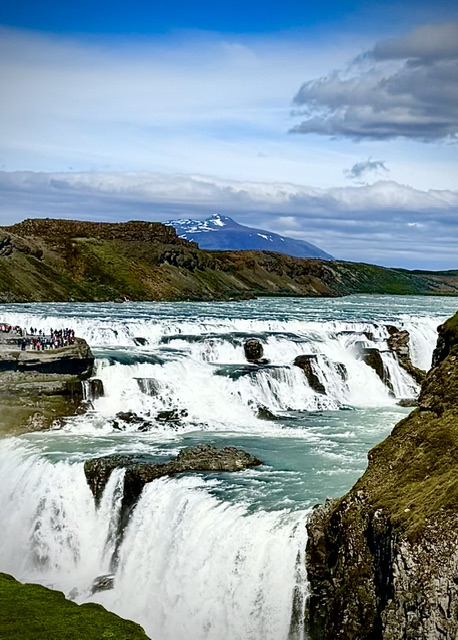
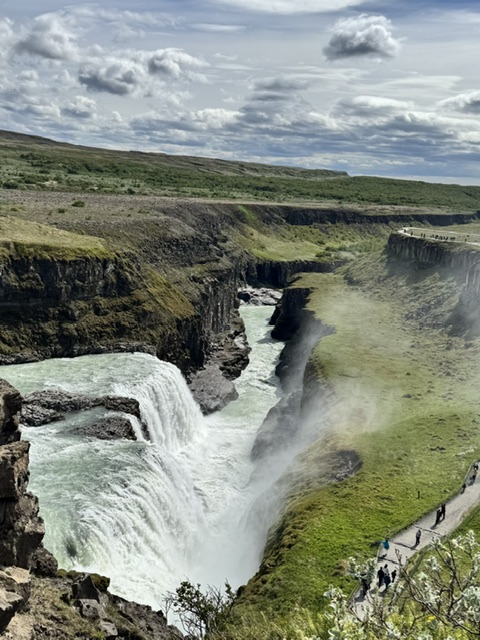
Just minutes away, Gullfoss showcases nature on an entirely different scale. Fed by glacial water, the falls thunder into a deep canyon with a force that can be heard long before they come into view. On sunny days, the mist often produces rainbows that seem almost too perfect to be real.
The journey through the Golden Circle ends at Þingvellir National Park, one of the world’s most significant historic and geological sites. Here, visitors can walk through the rift valley created by the slow separation of the North American and Eurasian tectonic plates while standing where Iceland’s parliament first gathered more than a thousand years ago.
One final stop reveals one of Iceland’s most fascinating natural curiosities. Hvitserkur, often called the “Eye of the World,” rises from the sea like an ancient stone guardian. Viewed from the right angle, the opening in the basalt formation resembles a giant eye gazing across the North Atlantic. Whether seen as a dragon, a troll, or simply an extraordinary work of nature, it provides a fitting reminder that Iceland is a place where geology and imagination become inseparable.
Iceland is more than waterfalls, geysers, and volcanic landscapes. It is a country that constantly reminds visitors how powerful, beautiful, and creative nature can be.
Exploring Rio de Janeiro: Four Days of Beaches, Heights, History, and Timeless Elegance
In December 2025, I spent four unforgettable days in Brazil’s coastal icon, Rio de Janeiro. The city immediately revealed its personality through sound, movement, color, and contrast. Mountains rise straight from the sea, historic churches stand beside modern streets, and beach life pulses with music and motion. Each day offered a distinct rhythm, and together they formed a layered portrait of the city.
Day One: Ipanema, the Sea, and Lunch at Garota de Ipanema
My first full day unfolded along the shoreline in Ipanema, where the Atlantic met the city with rolling waves and warm sand. The neighborhood moved at an easy pace. Joggers traced the water’s edge, surfers waited for the right break, and the curve of the coastline drew the eye toward the distant twin peaks of Dois Irmãos. I spent the afternoon soaking in the beach culture and the simple pleasure of watching Rio move in real time.
Lunch brought me to Garota de Ipanema, the legendary corner restaurant tied forever to the song that introduced this neighborhood to the world. Inside, the atmosphere was casual and relaxed. Over classic Brazilian dishes and cold drinks, I felt connected not just to the food, but to the music, the stories, and the layered cultural history that thrives quietly inside everyday spaces here.
Day Two: Corcovado and Sugarloaf
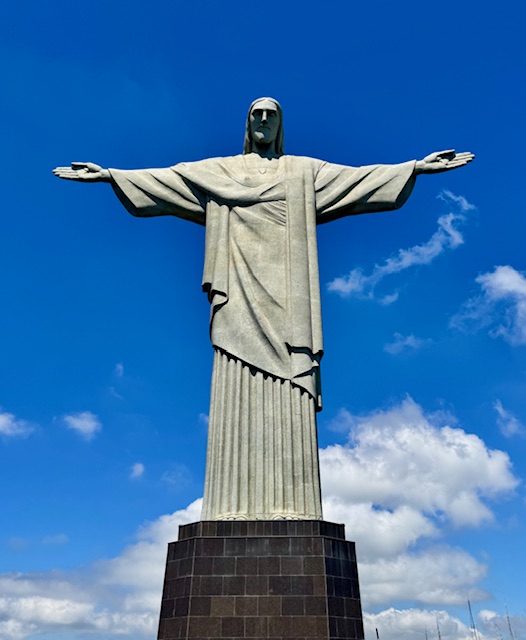
The second day carried me into the heights above the city. The morning began with the ascent of Corcovado, home of Christ the Redeemer. As we climbed through lush rainforest, the city slowly revealed itself below in fragments of coastline, rooftops, and water. Standing beneath the statue and looking out across Rio felt surreal. From that height, the city appeared both vast and intimate at once.
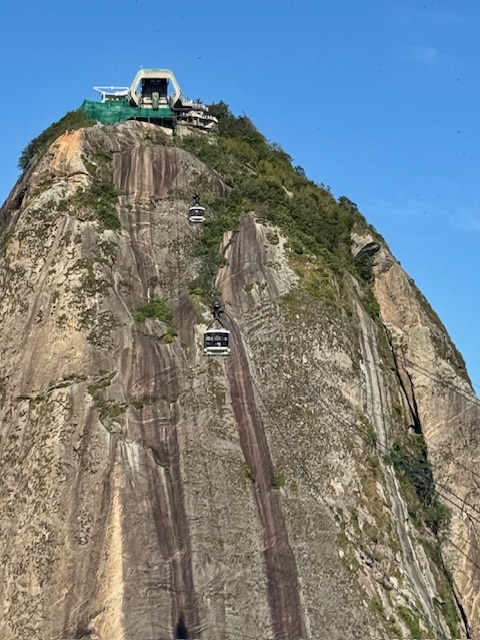
Later that afternoon, I made my way to Sugarloaf Mountain. The cable car ride lifted me between granite peaks suspended above Guanabara Bay. At the summit, Rio opened fully. Copacabana stretched in a perfect arc, boats drifted across the harbor, and the Christ statue stood watch in the distance. It was one of those rare views that feels impossible to photograph because the scale and beauty exceed the frame.
Day Three: Downtown Rio, Sacred Spaces, Selarón, and Zazá Bistrô
The third day led me into downtown Rio, where the city’s oldest layers remain alive in stone, glass, and shadow. I began at the astonishing Metropolitan Cathedral of Saint Sebastian, a dramatic modern structure shaped like a vertical pyramid. Inside, towering stained-glass panels flooded the vast interior with shifting light and color.
From there, I continued to the historic Igreja da Candelária, where marble columns, domed ceilings, and neoclassical detail reflected Rio’s colonial past. Nearby, the sweeping arches of the Lapa Aqueduct stretched across the street like a bridge between centuries.
Just beyond it, I arrived at the vibrant Escadaria Selarón. The hand-tiled staircase exploded with color, each ceramic piece contributing to a global mosaic of blues, reds, yellows, and pattern. Standing there, surrounded by movement and cameras and laughter, felt like standing inside the city’s creative pulse.
After a full day downtown, I ended with a relaxed lunch at Zazá Bistrô. The space felt intimate, warm, and casually artistic. The food mirrored the atmosphere, Brazilian flavors layered with global influence. It was the perfect way to unwind after a day of stone, steps, and sacred spaces.
Day Four: A Timeless Farewell at Café Confeitaria Colombo and Copacabana Palace
My final morning returned me once more to downtown, this time for a quiet farewell at Café Confeitaria Colombo. Stepping inside felt like crossing into another century. Crystal chandeliers glowed above carved wood and towering mirrors. Over coffee and pastries, the city seemed to slow its pace just long enough for reflection.
The café carried the quiet weight of history. Writers, politicians, artists, and travelers had all once taken their seats here. For a moment, I joined that long procession of lives passing through. It was a graceful and fitting goodbye to a city that moves with both power and poetry.
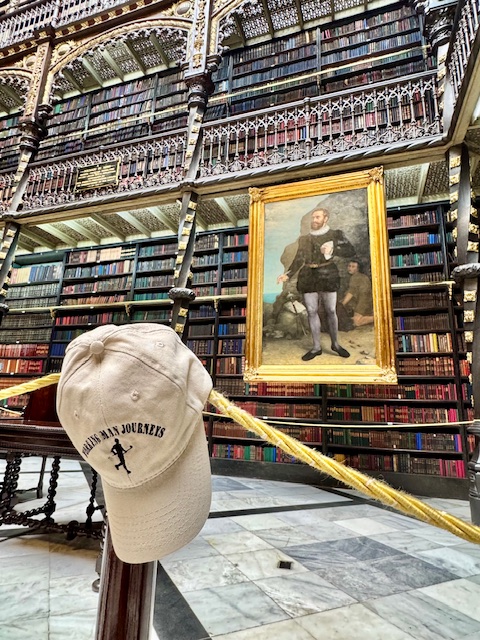
One of the most unexpectedly breathtaking stops in Rio is the Real Gabinete Português de Leitura, the Portuguese Reading Room. From the outside it is easy to miss. Step inside and it feels like you have walked into another century.
Towering shelves stretch from floor to ceiling, carved in dark wood and lined with more than 350,000 volumes, many of them rare works from the 16th to 18th centuries. Light pours down from the stained-glass ceiling, catching the gold details in the bindings and giving the entire room a quiet, reverent glow. It is not simply a library, it is a cathedral to knowledge.
As the day drew to a close and my time in Rio neared its end, I made my way to the Copacabana Palace for a final dinner. The hotel stood gracefully along the edge of Copacabana Beach, glowing softly in the evening light. Inside, dinner felt both celebratory and reflective. The quiet elegance of the Palace, paired with the sound of the ocean just beyond the windows, created a memorable final scene.
Hours later, I left for the airport with the lights of Copacabana fading behind me. It was the perfect ending to four days of beauty, history, and unforgettable views in one of the most remarkable cities in the world.
Exploring Bogotá: A Day Through History, Heights, and Hidden Treasures
In September 2025, I spent a whirlwind weekend in Colombia’s capital, Bogotá. Bogotá, is a vibrant mix of colonial charm and modern energy. On a quick visit, you can experience the city’s cultural heart, breathtaking views, and a glittering glimpse into its pre-Hispanic past. Three stops—La Candelaria, Monserrate, and the Museo del Oro (Gold Museum)—create an unforgettable itinerary, with a memorable meal at La Puerta de la Catedral to tie it all together.
Strolling Through La Candelaria
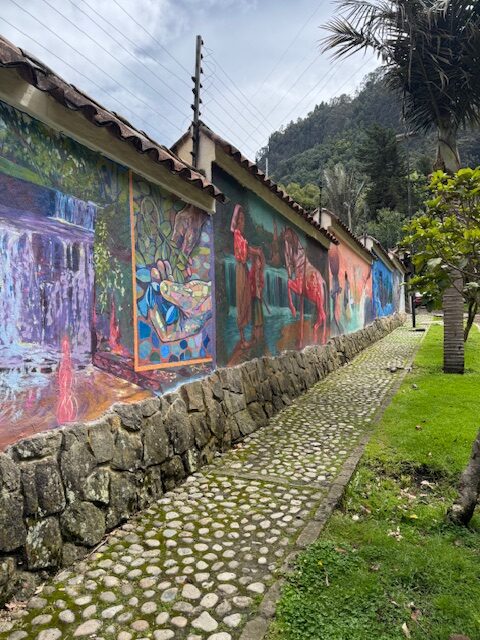
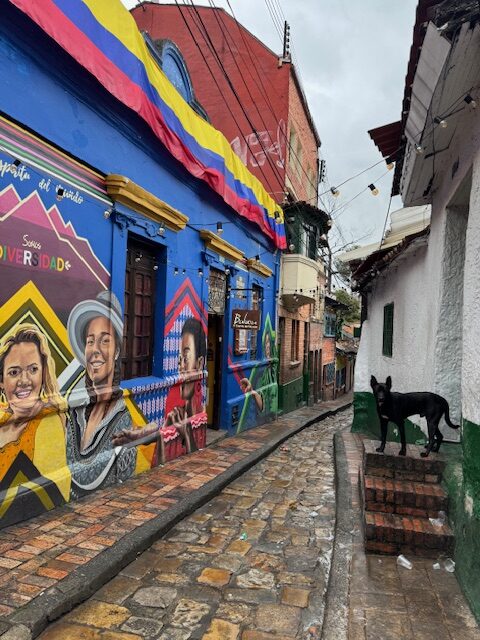
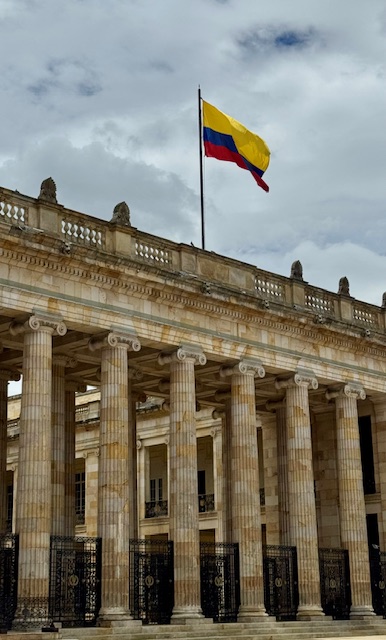
Begin your journey in La Candelaria, Bogotá’s historic old town. Cobblestone streets wind between brightly painted colonial houses, each balcony draped in flowers and history. Pause to admire the ornate facades of Plaza de Bolívar, where the imposing Cathedral Primada and the stately Palacio de Justicia frame the city’s main square. Cafés spill onto the sidewalks, offering rich Colombian coffee and the perfect vantage point to watch the neighborhood’s artistic spirit come alive in street murals and performers.
A Taste of Tradition at La Puerta de la Catedral
Just steps from the Cathedral Primada, we stopped for lunch at La Puerta de la Catedral, a beloved Bogotá institution known for hearty Colombian cuisine and old-world atmosphere. Inside the rustic, wood-paneled dining room, the scent of simmering stews and grilled meats fills the air. Classic dishes like ajiaco, a rich chicken and potato soup served with capers and cream, are served alongside warm arepas and fresh fruit juices. It’s the kind of place where locals linger over long conversations, and visitors instantly feel at home.
Reaching the Heights of Monserrate
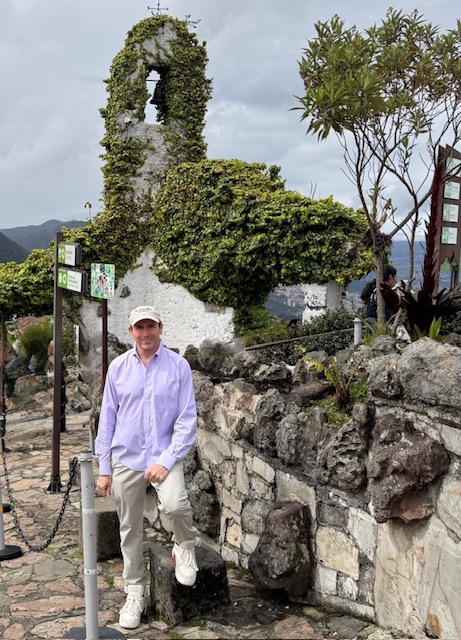
No trip to Bogotá is complete without ascending Monserrate, the mountain that towers over the city at more than 10,000 feet (3,050 meters). Whether you hike the steep trail or glide up on the funicular or cable car, the reward is the same: a sweeping panorama of Bogotá’s sprawling skyline. At the summit, the whitewashed Monserrate Sanctuary stands as both a spiritual and scenic landmark. On a clear day, the view stretches for miles, and the mountain-top restaurants offer another chance to savor traditional Colombian flavors with a view.
Discovering Treasures at the Gold Museum
Back in the city center, step into the Museo del Oro (Gold Museum), one of the most celebrated museums in South America. Home to over 55,000 gold artifacts from Colombia’s pre-Columbian cultures, the museum tells the story of craftsmanship, mythology, and the importance of gold in indigenous societies. Don’t miss the Muisca Raft, a delicate golden piece that inspired the legend of El Dorado. The museum’s exhibits are beautifully curated and include interactive displays that make ancient history feel vividly present.
A City of Contrasts
Bogotá blends old-world elegance with modern vitality. From the colorful streets of La Candelaria and the dramatic vistas atop Monserrate to the gleaming relics of the Gold Museum—and the unforgettable flavors at La Puerta de la Catedral—the city invites travelers to experience Colombia’s past and present in a single day. It’s a journey through history and altitude that will leave you both inspired and breathless—in the best possible way.
Sweden feels like a breath of fresh air, clean, calm, and quietly captivating. From the moment I stepped onto Swedish soil, I was struck by the sense of space, the blend of medieval and modern, and the way nature and design live in harmony.
I crossed into southern Sweden from Denmark by ferry, arriving in the historic coastal town of Helsingborg. From there, a scenic journey led me to Lund, one of Sweden’s oldest cities, and easily one of its most charming. The cobblestone streets and ivy-draped buildings made me feel like I had stepped into a Scandinavian storybook.
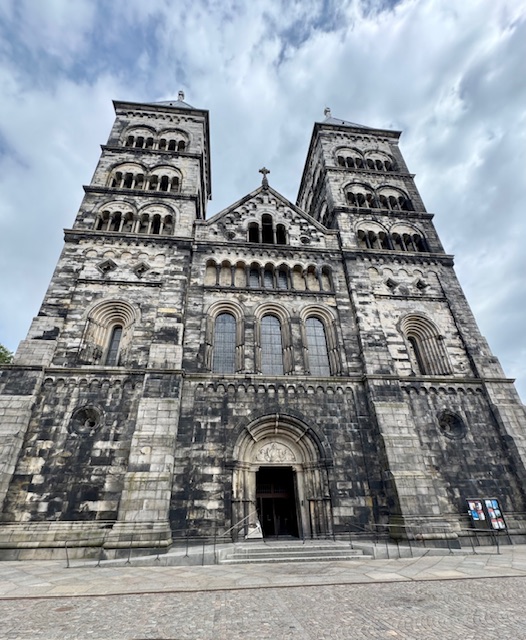
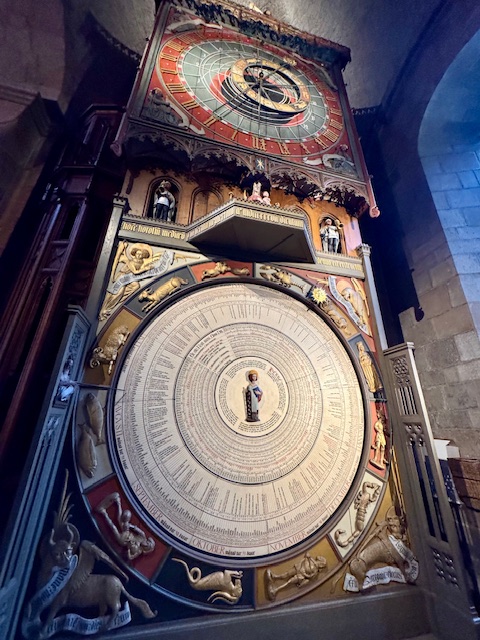
The crown jewel of Lund is its majestic Lund Cathedral, dating back to the 12th century. Inside, I watched the famous astronomical clock chime its tune, complete with moving figurines that mark the passing of time. It was both whimsical and awe-inspiring, a perfect representation of Sweden’s ability to blend science, artistry, and faith into something quietly beautiful.
Lunch, of course, had to include Swedish meatballs, tender, flavorful, and perfectly comforting. I enjoyed them at Gambrinus, the classic restaurant inside the historic Grand Hotel Lund, where the elegant dining room and old-world charm made every bite feel like part of a timeless Swedish tradition.
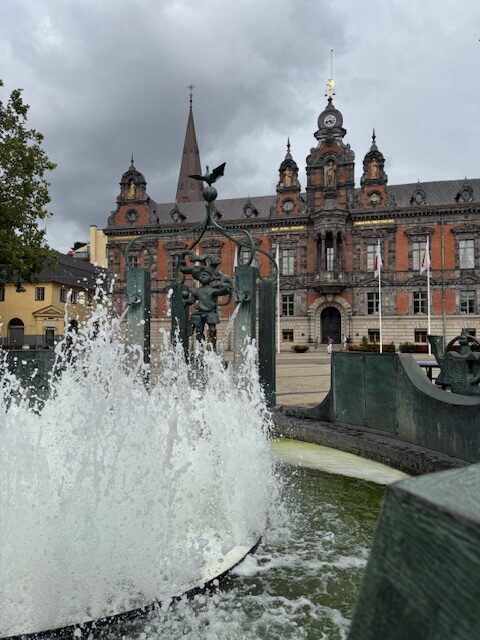
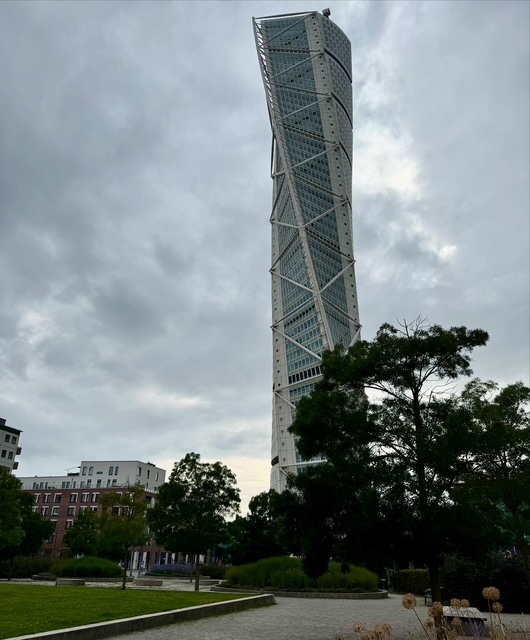
From Lund, I continued to Malmö, Sweden’s third-largest city and a cultural hub full of surprises. One moment I was admiring Malmö’s City Hall, a striking Dutch Renaissance building from the 1500s, which anchors the city’s main square, Stortorget.; the next, I was standing in front of the hyper-modern Turning Torso skyscraper. The city’s parks, waterfront promenades, and inviting cafés made it easy to slow down and soak in the Swedish rhythm of life.
What struck me most about Sweden was its balance of history and innovation, city life and nature, independence and community. It’s a country that doesn’t need to be loud to be memorable. It simply is what it is: beautiful, thoughtful, and quietly proud.
Whether wandering through ancient cathedrals, enjoying a seaside stroll, or just watching the world go by with a warm cup in hand, Sweden offers a calm kind of magic, the kind that stays with you long after you’ve left.
Discovering Denmark: A Journey Through Charm, History, and Hygge
Denmark is one of those places that quietly surprises you. It doesn’t shout for attention, it simply offers its beauty, warmth, and culture with quiet confidence. From its fairytale architecture to its cutting-edge design, Denmark is a place where tradition and modernity walk hand in hand.
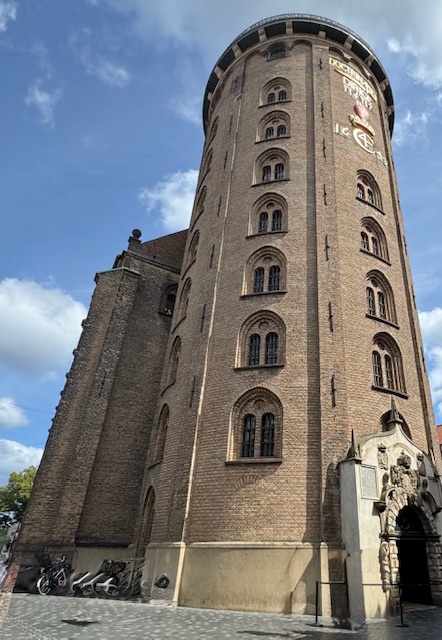
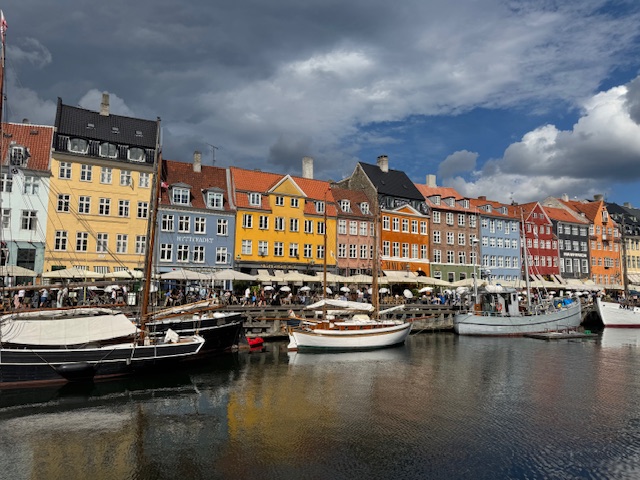
I began my journey in Copenhagen, the nation’s capital, where bicycles outnumber cars and every corner feels like a postcard. Nyhavn, with its colorful harborfront houses and cozy cafés, set the tone which was cheerful, inviting, and effortlessly stylish. A stroll down Strøget, one of Europe’s longest pedestrian streets, revealed a mix of high fashion, Danish design, and street performers.
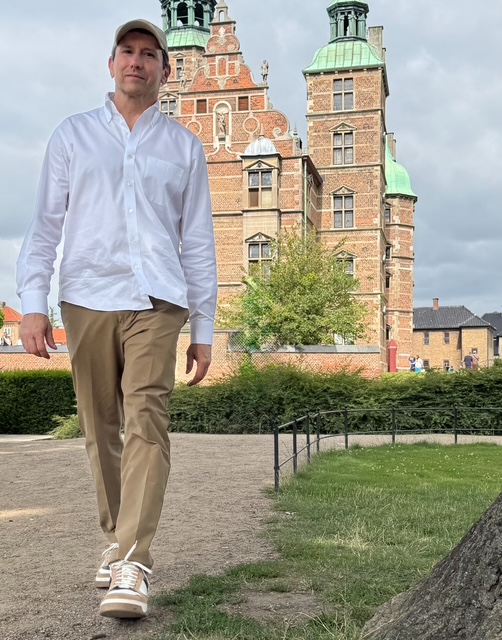
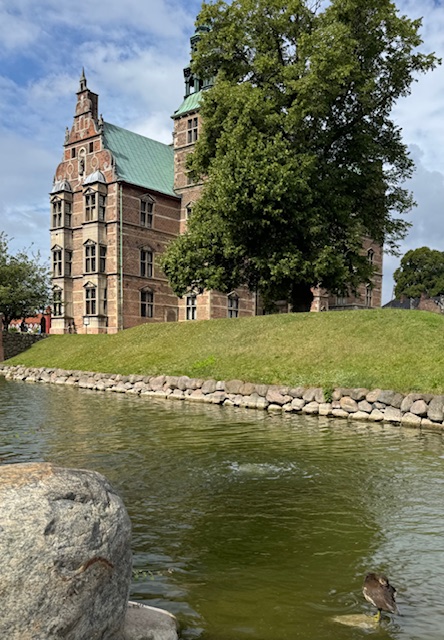
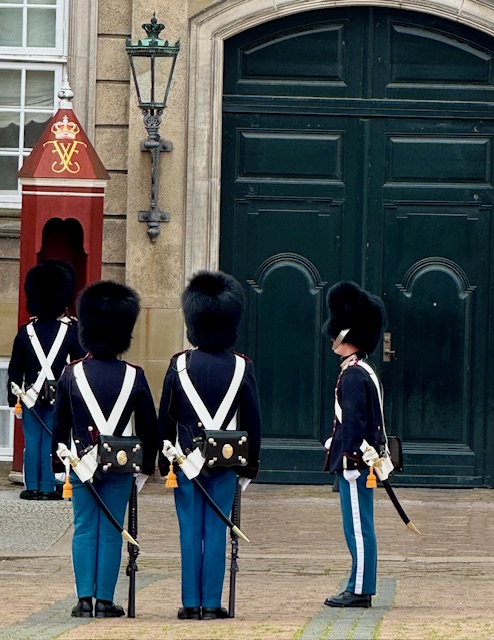
No trip to Denmark is complete without a visit to some of its historic sites. At Amalienborg Palace, I watched the royal guards change in front of the Queen’s winter residence. Rosenborg Castle transported me back in time with its Renaissance architecture and the Crown Jewels glittering below ground. And at Christiansborg Palace, I explored the Danish Parliament, Supreme Court, and Royal Reception Rooms and all under one roof.
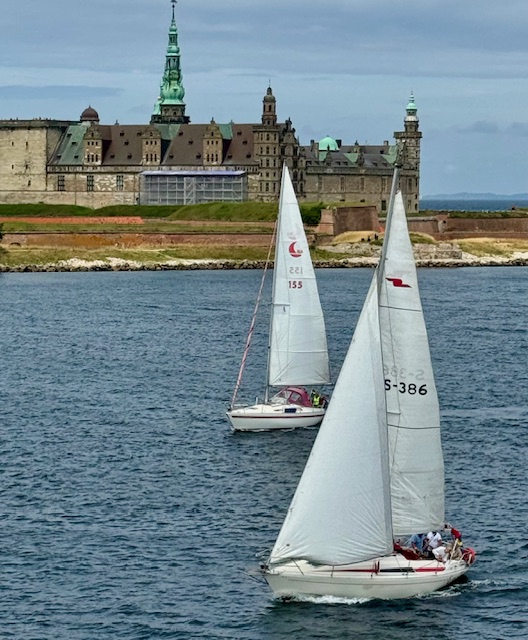
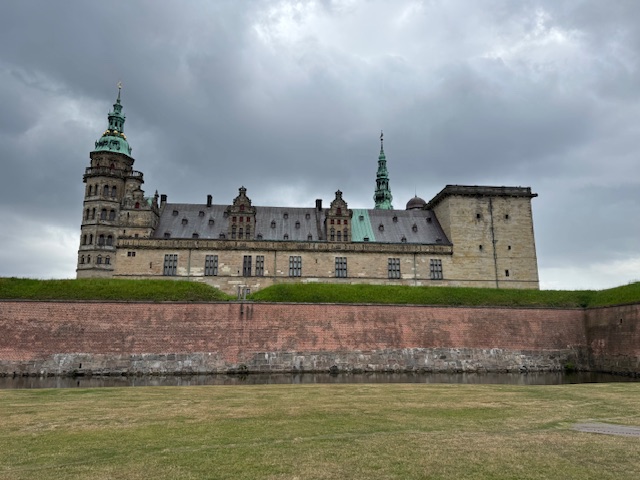
But Denmark is more than its capital. I ventured to visit the legendary Kronborg Castle in Helsingør. If you’re a Shakespeare fan, the name might ring a bell. Kronborg is better known as Elsinore, the setting of Hamlet. Standing at the edge of the Øresund Strait, Kronborg is one of the most iconic Renaissance castles in Europe. Its imposing towers, deep moats, and wind-battered walls feel pulled straight from a theatrical set and in a way, they are. The castle leans into its literary fame with regular Hamlet performances in the summer, staged right within its courtyards.
And the food? Let’s just say Denmark knows how to delight your palate. From smørrebrød (those iconic open-faced sandwiches) and buttery pastries to gourmet dining at historic spots like Det Lille Apotek or Marchal, the Michelin-starred restaurant inside Hotel d’Angleterre at Kongens Nytorv, Danes approach food with both passion and elegance.
What lingered with me most, though, was the Danish notion of hygge, a gentle, everyday contentment found in simplicity, connection, and comfort. You feel it in the glow of candlelit cafés, the easy laughter shared over coffee, and the unhurried pace of life along the coast.
Denmark isn’t a place to race through. It’s one to sink into. And if you do, it may just reveal a quieter, richer kind of happiness.
Portugal in Style: A Week of Culture, Cuisine, and Coastal Charm
Portugal had long been on my list, and when the opportunity arose, I knew I wanted to experience it in a way that blended elegance, history, and local flavor. From the palatial luxury of Lapa Palace to the boutique charm of The Ivens, every moment was steeped in beauty and discovery. Here’s a recap of our unforgettable journey through Lisbon and beyond.
Where We Stayed: From Classic Glamour to Boutique Chic
We began our stay at Lapa Palace, an oasis in the heart of Lisbon. Set atop a quiet hill, the hotel is a 19th-century palace turned luxury retreat. The views of the lush tropical gardens from our patio, the opulent guest rooms, and the old-world charm made it feel like stepping into a different era.
Later in the week, we moved to The Ivens, a stylish boutique hotel in the bustling Chiado neighborhood. With its explorer-themed décor and exceptional service, it offered a completely different—but equally delightful—vibe. It was the perfect base for walking the cobblestone streets and soaking in the Lisbon energy.
A Culinary Tour: Bold Flavors and Local Favorites
Portugal did not disappoint on the food front. Among our standout meals:
Grémio Literário – A hidden gem in Lisbon, this private club founded in 1846 offers an exclusive dining experience. Housed in the Palacete de Loures, its elegant dining room and veranda overlooking the Tagus River provide a serene setting for a memorable meal.
A Brasileira – A Lisbon classic. Once frequented by poets and thinkers, it’s the perfect place to enjoy a coffee and people-watch.
Palácio Chiado – Dining in a literal palace! The atmosphere was lively and chic with Fish and Shrimp soup along with Beef with Portuguese Sauce.
Rocco – An elegant restaurant where every dish was as much a visual treat as a culinary one. Not just any hotel restaurant concept (it is located in The Ivens), it offers varied gourmet experiences in a setting so ornate it felt like a scene from a movie.
And of course, no trip to Portugal would be complete without a Pastel de Nata. We made the pilgrimage to Belém, where the iconic custard tarts originated. Warm, flaky, with just the right amount of caramelized top—it was worth every bite (and every calorie).
Sights and Side Trips: History, Coastlines, and Castles
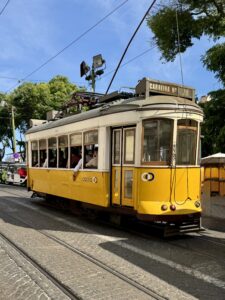
Lisbon itself is a feast for the senses—from the majestic Jerónimos Monastery and the Tower of Belém, to the winding streets of Alfama, where Fado music drifts from tucked-away taverns. We rode the famous yellow trams, browsed local shops, and paused often just to take in the tiled facades and red rooftops.
We also explored beyond the capital:
Sintra – A fairytale town in the hills, where the vibrant Palácio da Pena overlooks misty forests. The whole area felt enchanted.
Cascais – A charming seaside town perfect for a stroll along the marina and a slow, scenic lunch.
Cabo da Roca – The westernmost point of mainland Europe, located near Sintra. This dramatic cape features rugged cliffs that rise over 100 meters above the Atlantic Ocean, offering breathtaking panoramic views.
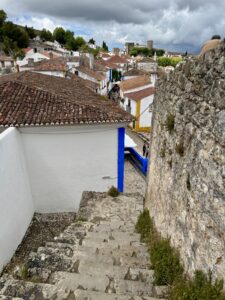
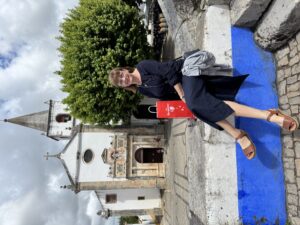
Óbidos – A medieval walled village full of whitewashed houses, cobblestones, and cherry liqueur served in chocolate cups.
Portugal captured our heart with its mix of elegance, authenticity, and warmth. Whether sipping vinho verde in a palace or wandering through centuries-old alleyways, each experience felt both special and soul-filling.
Returning from a conference in Nantes, France, I had a two day layover in Amsterdam. Amsterdam is a city that captures the imagination with its picture-perfect canals, rich history, and vibrant atmosphere.
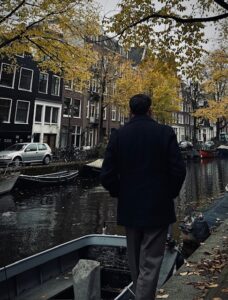
From the moment I arrived in Amsterdam, I was struck by the city’s unique blend of the old and the new. As I walked through the cobblestone streets, I marveled at the rows of narrow, gabled houses leaning gently toward the canal, each one painted in muted shades of history. Cyclists whisked past me, a reminder of Amsterdam’s commitment to sustainable living and the laid-back yet lively spirit that defines this city.
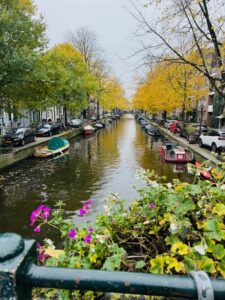
One of my first adventures was walking along Amsterdam’s intricate canal system. I admired the houseboats with their charming gardens and marveled at the stories each building seemed to whisper. The canals are not just for show—they breathe life into the city, offering a scenic backdrop that’s perfect for aimless exploration.
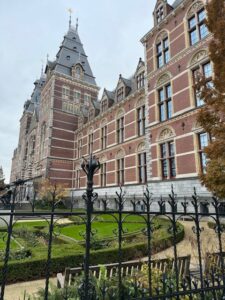
Of course, no visit to Amsterdam is complete without immersing oneself in the art, culture and history that flourish here. From the Rijksmuseum to the Van Gogh Museum to the Rembrandt House, there many opportunities. Visiting the Anne Frank House was a sobering and meaningful part of my journey and then wandering through the narrow streets until emerging at the Royal Palace and Dam Square.
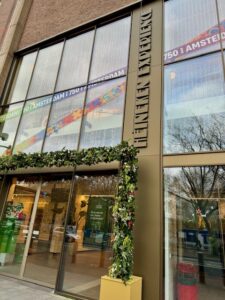
Finally, visiting the Heineken Experience in Amsterdam is an immersive journey into the world of one of the most iconic beer brands. Housed in the historic Heineken brewery, the experience offers a captivating blend of history, brewing insights, and interactive exhibits. Guests can explore the origins of Heineken, discover the craftsmanship behind brewing, and engage in sensory activities like tasting fresh ingredients and pouring the perfect pint. With engaging multimedia displays, fun games, and a vibrant atmosphere, the Heineken Experience is both educational and entertaining, culminating in a refreshing beer tasting session in the lively bar area. It’s a must-visit for beer enthusiasts and anyone curious about this legendary Dutch brand.
The EGOS (European Group for Organizational Studies) Colloquium stands as a prestigious gathering for scholars and practitioners alike. In 2024, I had the honor of presenting a paper on resiliency in leadership at the 40th EGOS Colloquium in Milan, Italy.
If you’re looking for a luxurious getaway from Milan, Monaco offers a blend of glamour, history, and stunning views. My recent trip to this beautiful principality was a seamless journey by train, with memorable stops along the way. Here’s a glimpse into my Monaco adventure.
My day began early in Milan, as I boarded a train bound for Vintemille (Ventimiglia in Italian), a charming border town on the French-Italian frontier. The journey itself was scenic, with picturesque landscapes of the Italian Riviera unfurling outside my window. From Vintemille, I hopped on a local train that whisked me along the sparkling Mediterranean coast to Monaco.
Stepping off the train in Monaco felt like entering a different world. The crisp air, the azure sea, and the impressive yachts docked at the marina all exuded an air of sophistication and exclusivity.
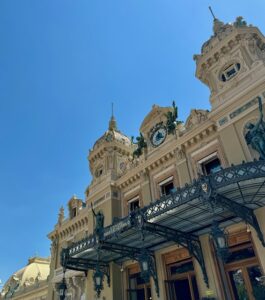
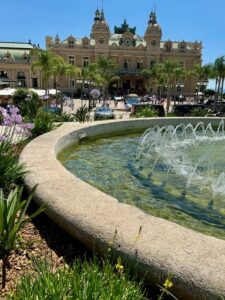
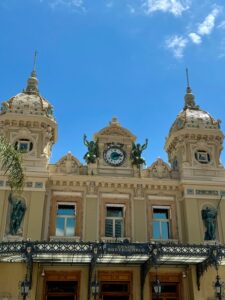
My first stop was the iconic Casino de Monte-Carlo, a masterpiece of Belle Époque architecture. Even if you’re not a gambler, the casino is worth visiting for its opulent interiors and historical significance. Walking through its grand halls, I felt like I had stepped into a James Bond movie. The glittering chandeliers, intricate frescoes, and the overall atmosphere of grandeur were absolutely mesmerizing.
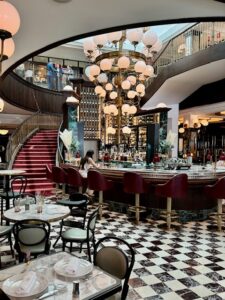
After exploring the casino, I headed over to the Café de Paris, conveniently located just a stone’s throw away. This elegant café, with its Belle Époque charm, offers a perfect spot to people-watch while enjoying a delectable meal. I treated myself to a classic meal of French onion soup, linguini with clams, and crepe suzette. The lively atmosphere, combined with the excellent cuisine, made for an unforgettable dining experience.
Post-lunch, I took a leisurely stroll through the streets of Monaco. The city-state, though small, is packed with sights and experiences.
Monaco is a perfect destination for a day trip from Milan, offering a mix of luxury, culture, and breathtaking views. Whether you’re drawn by the allure of the casino, the charm of the Café de Paris, or the scenic beauty of the Mediterranean, Monaco promises an experience like no other. If you’re in Milan and have a day to spare, hop on a train and immerse yourself in the splendor of Monaco.
Mallorca, an autonomous jewel in the Mediterranean, captured our hearts from the moment we arrived. This independent Balearic Island, with its stunning coastline and charming villages, offers a perfect escape.
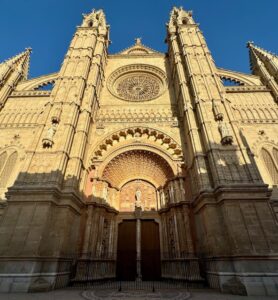
We spent our days exploring Palma, Sóller, Port Sóller, and Playa de Palma. Palma, the capital, fascinated us with its Gothic cathedral, La Seu, which majestically overlooks the city. The historic streets, each corner telling a story of its rich cultural past, invited us to wander and discover hidden gems, from ancient Arab baths to bustling markets.
The local cuisine was a delightful surprise. We savored traditional dishes like paella, bursting with fresh seafood and saffron, and tender calamari, perfectly fried and served with zesty aioli. While we did try the famous ensaimada, a spiral-shaped pastry dusted with powdered sugar, we found it wasn’t quite to our taste, though it remains a beloved treat for many.
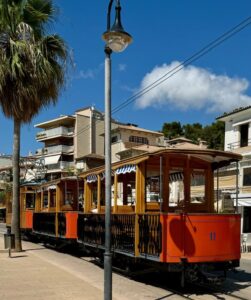
One of our favorite adventures was taking the historic train from Palma to Sóller. The scenic journey through lush valleys and picturesque landscapes was unforgettable. The vintage wooden train meandered through tunnels and over bridges, offering breathtaking views of the Tramuntana mountains and the verdant countryside. Arriving in Sóller, we were charmed by its quaint streets and lively square, where we enjoyed a leisurely lunch before continuing to the picturesque port town of Port Sóller.
Playa de Palma offered a different kind of beauty with its long sandy beaches and crystal-clear waters. We spent relaxing afternoons soaking up the sun and enjoying the vibrant beachside atmosphere. The beachside promenades were perfect for evening strolls, lined with shops, cafes, and bars offering a taste of Mallorca’s vibrant nightlife.
Mallorca’s blend of natural beauty, history, and vibrant culture makes it a must-visit destination. From the historic allure of Palma to the tranquil charm of Sóller and the sun-soaked beaches of Playa de Palma, this autonomous island truly offers a slice of paradise. Whether exploring ancient streets, indulging in delicious local cuisine, or simply relaxing by the sea, our time in Mallorca was filled with unforgettable moments and cherished memories.