33. Holy See (Vatican City)

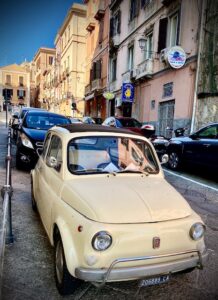
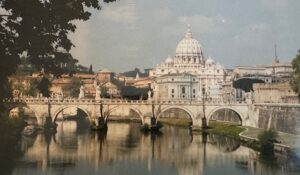
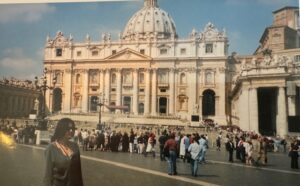
This is another catch-up post. Years ago, we visited Vatican City while traveling through Florence, Rome, and Venice. Vatican City State is a landlocked independent country, city-state, microstate, and enclave within Rome, Italy. Though it is not a member-state of the United Nations, it holds the distinction of being the smallest country in the world, with a landmass of just 0.49 square kilometers (0.19 square miles).

Our visit to Vatican City was a profound experience. Despite its small size, Vatican City is a place of immense historical, cultural, and religious significance. The heart of the Roman Catholic Church, it is home to the Pope and serves as the spiritual and administrative center of the Church.

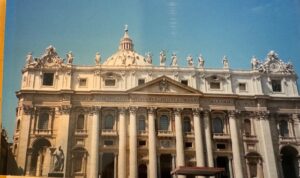
One of the highlights of our visit was St. Peter’s Basilica, an architectural masterpiece and one of the largest churches in the world. The grandeur of the basilica, with its stunning dome designed by Michelangelo and its breathtaking interior filled with priceless artworks, left us in awe.

We also spent time in the Vatican Museums, which house one of the most extensive and impressive art collections in the world. Wandering through the vast halls, we admired works by some of the greatest artists in history, including Raphael, Caravaggio, and Leonardo da Vinci. The highlight of the museum tour, of course, was the Sistine Chapel. Gazing up at Michelangelo’s iconic ceiling frescoes, including the renowned “Creation of Adam,” was a moment of pure wonder and reverence.

Our exploration of Vatican City also took us to the Vatican Gardens, a beautifully landscaped area filled with lush greenery, fountains, and sculptures. The tranquility of the gardens provided a peaceful retreat from the bustling crowds and allowed us to appreciate the serene beauty of this unique place.

Despite being the smallest country in the world, Vatican City is a treasure trove of history, art, and spirituality. Our visit there was an enriching experience, offering us a deeper understanding of the cultural and religious heritage that shapes this extraordinary place.

Reflecting on our journey through Florence, Rome, Venice, and Vatican City, each location left us with lasting memories and a profound appreciation for Italy’s rich history and cultural diversity. From the art and architecture to the food and landscapes, every moment of our trip was filled with discovery and delight.
Sardinia (Italy)


Sardinia is a part of the Italian Republic and one of the five “special” autonomies, alongside Friuli-Venezia Giulia, Sicily, Trentino-South Tyrol, and Valle d’Aosta. As the second largest island in the Mediterranean Sea, Sardinia has a rich history, once being the Kingdom of Sardinia. The official name is, in Italian, Regione Autonoma della Sardegna.

In July 2023, I had the opportunity to travel to Sardinia to present a paper on “Three Strategies for Responsible Leadership” at the European Group for Organizational Studies Annual Conference. The conference was held at the University of Cagliari, providing a perfect blend of academic engagement and cultural immersion.

During my stay, I was fortunate to be accommodated at the Neko Boutique Hotel, an upscale hotel known for its charm and excellent service. The staff were incredibly friendly, and my room was both spacious and comfortable, making it an ideal retreat after a day of conference activities.

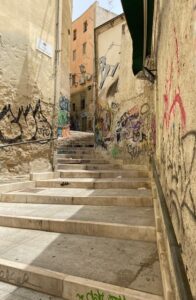
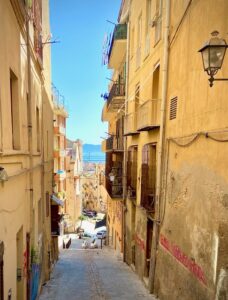
Most of my photography centered on the narrow streets and alleyways of Cagliari’s old town. The winding paths, lined with ancient buildings and vibrant local shops, offered a picturesque glimpse into Sardinia’s rich heritage. Each corner turned revealed a new scene to capture, from bustling markets to quiet courtyards, all exuding a unique blend of historical and contemporary life.

The culinary experiences in Sardinia provided a delightful twist on traditional Italian cuisine. Among my notable favorites were Fregula, a type of Sardinian pasta often served with a savory meat sauce, and Spaghetti a la Vongole, a classic dish featuring clams. Additionally, I developed a particular fondness for Pecorino cheese, a local specialty that added a rich and flavorful element to many dishes.

Exploring the local food scene was a highlight of my trip. Each meal was a celebration of Sardinia’s unique culinary traditions, showcasing the island’s fresh ingredients and bold flavors. The combination of these delicious meals with the island’s beautiful scenery and warm hospitality made my stay in Sardinia truly memorable.

Presenting at the conference was a rewarding experience, allowing me to share my insights on responsible leadership with fellow scholars and practitioners. The discussions and feedback I received were invaluable, contributing to the ongoing development of my research.

In summary, my trip to Sardinia in July 2023 was an enriching blend of professional growth and cultural exploration. The island’s unique charm, from its historic streets to its delectable cuisine, left a lasting impression, and I look forward to the opportunity to return and explore more of what Sardinia has to offer.

32. Ireland


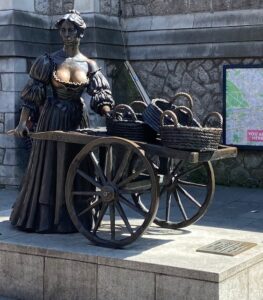
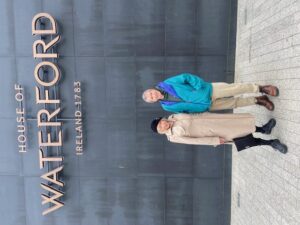
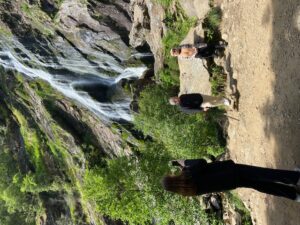
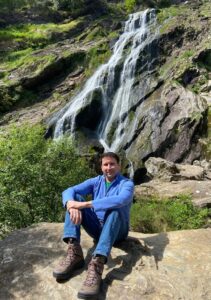
We finally made it to Ireland after planning the trip in 2020, only to be denied by the pandemic. My wife, my parents, and I traveled to Dublin and then journeyed south along the eastern side of the country. Our itinerary included stops at Kilkenny, Midleton, Kinsale, Waterford, Enniscorthy, and Powerscourt. Pictured here are the iconic Molly Malone statue in Dublin, and scenic views from Waterford and Powerscourt Waterfall.

In Dublin, we stayed at The Belvedere Hotel, which offered a comfortable and convenient base for exploring the vibrant city. The bustling streets, historic landmarks, and lively atmosphere of Dublin provided a wonderful start to our trip. One of our favorite spots was the Molly Malone statue, a tribute to the famous fishmonger of Dublin folklore, whose story has become an integral part of the city’s cultural fabric.

Our next stop was Kilkenny, where we stayed at the luxurious Mt. Juliet Estate. This historic estate, with its beautiful gardens and elegant interiors, provided a serene retreat. Kilkenny itself charmed us with its medieval architecture, lively pubs, and the impressive Kilkenny Castle. Wandering through the castle’s grand rooms and strolling along the River Nore were definite highlights.

Continuing our journey, we visited Midleton, known for the Jameson Distillery, where we enjoyed a tour and whiskey tasting. The rich history of Irish whiskey-making and the craftsmanship behind each bottle were fascinating to learn about.

In Kinsale, a picturesque harbor town, we experienced some of the best seafood and enjoyed the quaint, colorful streets. The town’s maritime history and culinary delights made it a memorable stop.

Waterford, famous for its crystal, was another highlight. We took a tour of the Waterford Crystal factory, witnessing the intricate process of crystal making. The city’s Viking history and the beautiful views along the waterfront added to its charm.

In Enniscorthy, we explored the historic Enniscorthy Castle and learned about its role in Irish history, particularly during the 1798 Rebellion. The town’s rich past and friendly locals made our visit enjoyable.

Our final destination was Powerscourt, where we stayed at the Powerscourt Hotel. Nestled in the Wicklow Mountains, the hotel offered breathtaking views and a perfect blend of luxury and nature. We visited Powerscourt Waterfall, Ireland’s highest waterfall, and were awed by the natural beauty and tranquility of the area. The gardens at Powerscourt Estate, with their meticulously landscaped grounds and stunning vistas, were a perfect way to end our journey.

From city locations to outstanding nature views, our combination of lodgings provided the ideal base for our visit. Each stop along our route offered unique experiences, blending Ireland’s rich history, culture, and natural beauty. After the long wait, our trip to Ireland exceeded all our expectations and left us with cherished memories.

31. Wales (UK)


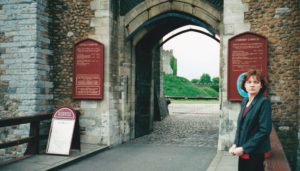
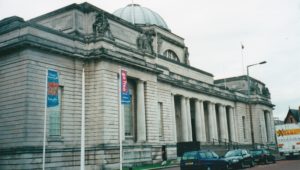
I forgot to post about Wales previously when recording our trip to Great Britain a while back (okay, a good while back). Wales is a country within the multinational state of the United Kingdom and is not a separate member of the United Nations. Shown above are pictures of the Wales Museum in Cardiff, as well as my wife looking quite serious at Cardiff Castle.

We had driven over from London, staying a couple of nights at the Angel Hotel. It is claimed that the Angel Hotel has existed in Cardiff since 1666, but it has definitely been around since at least the 18th century. It was originally located opposite the gates of Cardiff Castle, a short distance from its current location on what was then called Angel Street. The hotel has a fascinating history. In 1917, during World War I, the hotel was requisitioned on behalf of the US Navy and was officially renamed the USS Chattanooga.

At the turn of the 20th century, the Angel Hotel was owned by Lady Honywood’s Honywood Hotels, who built a new facade for the building. Throughout much of the 20th century, the new Angel Hotel remained an important place to stay for politicians and celebrities, including Greta Garbo, The Beatles, and actor Anthony Perkins. Perkins was famously arrested at the hotel in 1989 after a package of cannabis he mailed to himself was inadvertently given to another guest.

During our stay in Cardiff, we took the time to explore some of the city’s rich historical and cultural sites. The Wales Museum, located in the heart of Cardiff, offered a deep dive into the country’s history, art, and natural environment. Its vast collections and engaging exhibits provided us with a greater appreciation for Wales’ unique heritage.

Cardiff Castle was another highlight of our trip. The castle, with its medieval keep and lavish Victorian interiors, stands as a testament to the city’s long and varied history. My wife, looking quite serious in the photograph, was deeply impressed by the castle’s grandeur and the stories it holds.

We also dined at some interesting locations in Cardiff, including La Madeira Restaurante. The vibrant atmosphere and delicious Portuguese cuisine made it a memorable dining experience.

I hope to return to Wales at some point and visit Portmeirion, the filming location of the iconic television show “The Prisoner.” This early 1970s British spy series, starring Patrick McGoohan, has a cult following still today. The village’s unique architecture and stunning setting make it a must-see for fans of the show and anyone interested in Welsh culture and history.

Overall, our trip to Wales was a delightful blend of historical exploration and modern comforts. From the storied halls of the Angel Hotel to the imposing walls of Cardiff Castle, our journey was filled with moments of discovery and reflection. I look forward to returning and uncovering even more of what this beautiful country has to offer.

30. Finland

While visiting Estonia, I had the exciting opportunity to take the Tallinn-Helsinki ferry, which allowed me to spend a full day exploring Helsinki, Finland. The ferry docked in Helsinki at 8:15 am, and with a return ferry scheduled for 9:00 pm, I had ample time to immerse myself in the sights and sounds of this beautiful city.

My day in Helsinki was a whirlwind of activity, combining walking and bus riding to cover as much ground as possible. One of my first stops was the old Olympic Stadium, a historic site that hosted the 1952 Summer Olympics. The stadium, with its distinctive tower, offers a glimpse into Helsinki’s sporting history and provides panoramic views of the city.

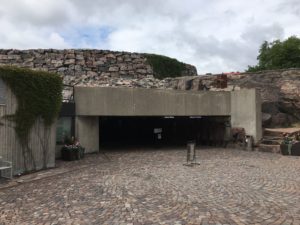
One of the most memorable experiences was visiting the Temppeliaukio “Rock” Church. Shown above, this church is one of Helsinki’s most popular tourist attractions, drawing over half a million visitors annually. Located in the heart of the city, the Rock Church is a marvel of modern architecture, built directly into the solid rock. Its unique design, with a copper dome and natural rock walls, creates an acoustically perfect space, making it a popular venue for concerts as well as worship services. The serene atmosphere inside the church, combined with the natural beauty of its rock formations, left a lasting impression on me.

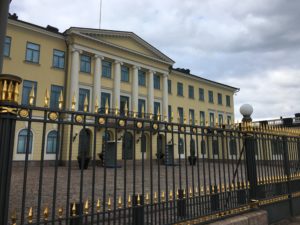
Another highlight of my day was seeing the Presidential Palace, also pictured above. This grand building served as the official residence of all the Presidents of Finland up until 1993. Although it no longer functions as the primary residence, the Palace remains a vital part of the country’s political life. It houses the Office of the President, including offices for the Secretary General, the Special Counsel to the President, and the Master of the Household. The State rooms within the Palace, such as the Hall of State, the Dining Hall, and the Hall of Mirrors (the small Hall of State), are used for official functions and receptions. Walking past this historic building and learning about its significance gave me a deeper appreciation for Finland’s rich political heritage.

Throughout the day, I continued to explore Helsinki’s diverse attractions. I visited several historic and unique churches, each with its own story and architectural style. The Helsinki Cathedral, with its neoclassical design and prominent location overlooking Senate Square, was particularly striking. Its grand façade and serene interior offered a peaceful respite in the bustling city.

I also made time to visit the Uspenski Cathedral, an impressive Eastern Orthodox church that stands as a testament to Finland’s diverse cultural and religious history. Its red-brick exterior and golden domes are a striking contrast to the more austere Lutheran Helsinki Cathedral, reflecting the city’s multifaceted heritage.

As the day drew to a close, I found myself at Market Square, a vibrant hub of activity along the waterfront. The market stalls, selling everything from fresh produce to handcrafted souvenirs, provided a lively atmosphere and an opportunity to interact with friendly locals.

Adding a touch of international flair to my culinary experiences in Helsinki, I also ate at the Hard Rock Cafe. Located in the heart of the city, the Hard Rock Cafe provided a familiar yet exciting dining experience. Surrounded by rock ‘n’ roll memorabilia, I enjoyed a classic American meal that offered a comfortable contrast to the traditional Finnish foods I had tried earlier in the day. The lively atmosphere, combined with great music and friendly service, made it a fun and memorable stop.

My day in Helsinki was a perfect blend of sightseeing, cultural exploration, and personal reflection. The combination of historic landmarks, modern marvels, and the city’s welcoming ambiance made it an unforgettable experience. Boarding the ferry back to Tallinn, I felt enriched by the time spent in Finland’s capital, carrying with me memories of a city that beautifully balances its past and present.

29. Estonia

In July 2018, I had the privilege of traveling to Tallinn, Estonia, to present a paper at the European Group for Organizational Studies 34th Annual Colloquium. This trip was an exciting opportunity to share my research with an international audience and to explore a city steeped in history and charm.

After my conference presentation, I dedicated two days to touring around the Old Town and other parts of the central city. Tallinn’s Old Town, one of the best-preserved medieval cities in Europe, is a UNESCO World Heritage Site, and it did not disappoint. The cobblestone streets, gothic spires, and centuries-old buildings transported me back in time, providing a fascinating glimpse into the past.

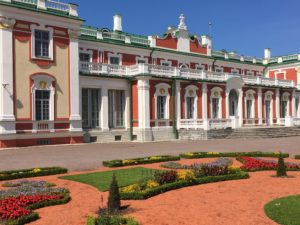
One of the highlights of my sightseeing was Kadriorg Palace, shown above. Built by Peter the Great for his wife, Catherine I of Russia, the palace’s name means “Catherine’s valley” in both Estonian and German. Despite its grand design, the palace was never occupied by Peter and Catherine. Today, it houses the Kadriorg Art Museum, which displays an impressive collection of foreign art from the 16th to 20th centuries. Walking through its ornate halls and beautifully landscaped gardens was a serene and inspiring experience.

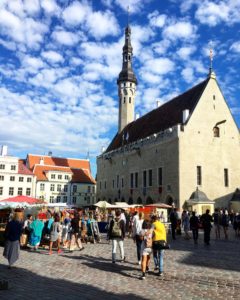
The heart of Tallinn is its picturesque town square, surrounded by colorful merchant houses, cafes, and the iconic Town Hall. This area is a bustling hub of activity, where locals and tourists alike gather to soak in the atmosphere, enjoy street performances, and dine in the many restaurants.

Speaking of dining, Tallinn’s Old Town offers a variety of culinary delights. I had memorable meals at Rataskaevu 16 and Olde Hansa, two highly recommended restaurants that perfectly capture the spirit of medieval Tallinn. Rataskaevu 16 is known for its cozy atmosphere and delicious, locally sourced dishes. Each meal felt like a celebration of Estonian culinary tradition, with flavors that were both comforting and innovative. Olde Hansa, on the other hand, is an immersive experience, with its medieval-themed decor and menu. Dining there felt like stepping into a different era, with hearty, authentic dishes that made the experience unforgettable.

Exploring Tallinn beyond the Old Town, I was struck by the seamless blend of history and modernity. The city has managed to preserve its medieval charm while embracing contemporary culture and innovation. From trendy cafes and boutiques to historic landmarks and museums, there is a richness to Tallinn that captivates and inspires.

My trip to Tallinn was a perfect balance of professional engagement and personal exploration. Presenting my paper at the colloquium was a significant milestone in my career, and discovering the beauty and history of Tallinn made the experience even more rewarding. The memories of strolling through the medieval streets, visiting Kadriorg Palace, and enjoying the local cuisine are ones I will cherish for a long time.

28. Panama

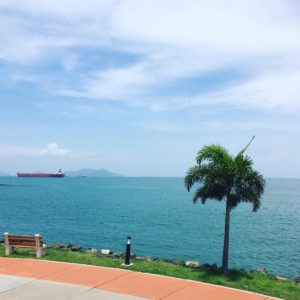
In May of 2018, my wife and I traveled to Panama City, Panama, to celebrate our anniversary. The vibrant and diverse city offered us a mix of history, culture, and modernity, making it the perfect backdrop for our special occasion.

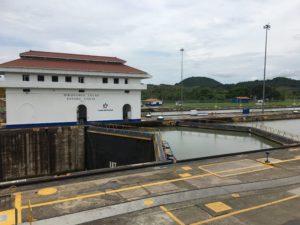
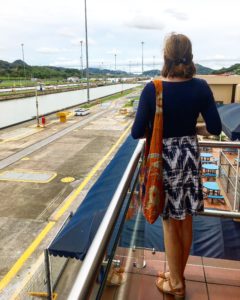
One of the highlights of our trip was visiting the Panama Canal, an engineering marvel that has connected the Atlantic and Pacific Oceans since 1914. Watching the massive ships navigate the locks was an awe-inspiring experience that I couldn’t miss, even if it meant dragging my wife along. She graciously indulged my fascination, and we both marveled at the intricate workings of this historical feat.

To make up for the detour to the Canal, I made sure we indulged in some of the best culinary experiences Panama City has to offer. We headed to Casco Viejo, the charming old quarter of the city, known for its cobblestone streets, colonial architecture, and lively atmosphere. This area is a UNESCO World Heritage site and offers a glimpse into the city’s rich past while boasting a vibrant present.

Our dining adventures in Casco Viejo were nothing short of spectacular. At Diablicos, we enjoyed traditional Panamanian cuisine amidst colorful decor and live folkloric performances. The rich flavors of dishes like sancocho (a traditional chicken soup) and ropa vieja (shredded beef) were a delight to our taste buds, giving us a true taste of the local culture.

Tantalo Kitchen, another gem in Casco Viejo, offered a more contemporary dining experience. The rooftop bar provided stunning views of the city’s skyline, and the eclectic menu featured a fusion of international flavors with a Panamanian twist. We savored dishes like octopus carpaccio and yucca fries, paired with creative cocktails that perfectly complemented the vibrant ambiance.

While exploring Casco Viejo, we did take a few wrong turns, which led us to the colorful working-class neighborhood just outside the old quarter. This unplanned detour allowed us to see a different side of Panama City, with its bustling markets, street vendors, and the genuine warmth of its residents. It was a reminder that sometimes, the most memorable experiences come from the unexpected moments.

Despite the sweltering humidity of May, we spent long days strolling through the city’s streets, soaking in the sights and sounds of Panama City. From the historic landmarks to the modern skyscrapers, every corner of the city had a story to tell. The contrast between the old and the new, the traditional and the contemporary, made our trip truly enriching.

Looking back, our anniversary trip to Panama City was a perfect blend of adventure, culture, and romance. The memories of our time there, from the awe-inspiring Panama Canal to the delectable meals in Casco Viejo, continue to bring us joy and remind us of the beautiful experiences we shared.

27. Argentina


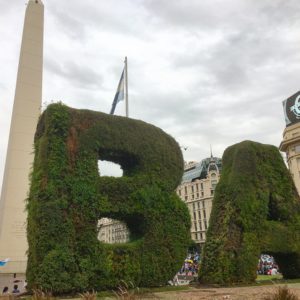
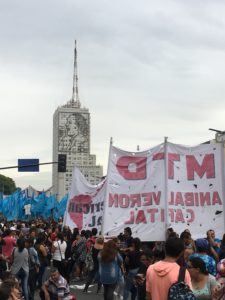
In March 2018, I traveled to Buenos Aires, Argentina, to present a paper at the Latin American and European Meeting on Organizational Studies, a conference for organizational studies and management faculty. The city offered a wealth of sights, food, and experiences that made my visit truly memorable. Known for its tenderloin steak, Baroque architecture, and the Tango, Buenos Aires is a vibrant city that captures the essence of Argentine culture.

From the elegant streets of Recoleta, with its famous cemetery and upscale boutiques, to the historic and bohemian neighborhood of San Telmo, where cobblestone streets and antique shops abound, there was no shortage of fascinating areas to explore. Walking along Avenida de Mayo, I was struck by the grandeur of the buildings and the lively atmosphere that characterizes this central thoroughfare. Buenos Aires is indeed a city designed for walking and exploration, each neighborhood offering its unique charm and character.

During my visit, I had the pleasure of dining at Parrilla Peña, an historic restaurant known for its authentic Argentine barbecue. Located in the Balvanera neighborhood, Parrilla Peña offers a traditional dining experience with some of the best tenderloin steak in the city. The warm and inviting atmosphere of the restaurant perfectly complemented its delicious cuisine, making it a highlight of my trip.

26. Guatemala

OLYMPUS DIGITAL CAMERA

While in El Salvador, I had the opportunity to travel to Antigua, Guatemala, for the day. The drive was long and the border crossing a bit hectic, but the end result was a fantastic morning and afternoon in a very beautiful city, despite the visible effects of centuries of earthquake activity. Antigua is a UNESCO World Heritage site and was the former capital of the Kingdom of Guatemala.

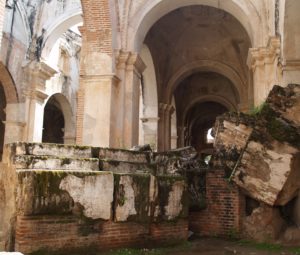
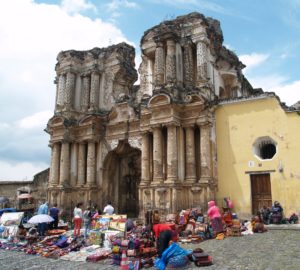
The city is rich with historical treasures, far too many to list comprehensively. However, two of the most popular sites that I visited were the ruins of The Cathedral and the ruins of Iglesia del Carmen. The Cathedral’s facade and sanctuary have been rebuilt and still serve today as a place of worship, but the large ruins directly behind the restoration reveal the true size of the original structure, offering a glimpse into its grand past.

The Iglesia del Carmen, with its Baroque style, was heavily damaged by the major earthquakes that have repeatedly struck Antigua. Today, it lies in ruins, but the sight remains striking. The elaborate columns, fluted archways, and intricate relief carvings are a testament to the architectural beauty that once was. Despite the damage, the ruins retain a haunting beauty, providing a tangible connection to the city’s storied past.

Overall, my brief visit to Antigua was an enriching experience. The city’s blend of historical significance and architectural beauty, set against a backdrop of resilience and natural beauty, left a lasting impression on me.

25. El Salvador

OLYMPUS DIGITAL CAMERA

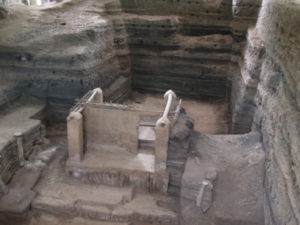
In September 2017, I traveled to El Salvador and explored several fascinating locations, including the UNESCO-listed Joya de Cerén, a pre-Columbian archaeological site. The site is a remarkably well-preserved Maya farming village buried under layers of volcanic ash, earning it the nickname “Pompeii of the Americas.” The preservation of this ancient village provides an incredible glimpse into the daily life of the Maya people.

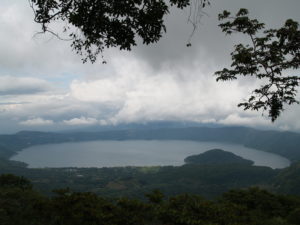
Another highlight of my trip was visiting Lago de Coatepeque, a stunning crater lake that rivals the beauty of Crater Lake in Oregon, although it is significantly larger. The serene blue waters of the lake, surrounded by lush greenery, offered a peaceful retreat and breathtaking views.

I also ventured to Los Volcanes National Park, a vast national park home to three impressive volcanoes: Cerro Verde, Izalco, and Santa Ana. Hiking through the park, I was captivated by the diverse landscapes and the majestic presence of these towering volcanoes. Each volcano offered unique vistas and an appreciation for the dynamic geological forces that have shaped the region.

For my base of operations, I stayed in San Salvador, which allowed me to experience the vibrant culture and urban life of El Salvador’s capital city. From exploring local markets to enjoying traditional cuisine, my time in San Salvador was both enriching and enjoyable. I also visited Santa Ana, the second most populous city in El Salvador, where I experienced the city’s charming colonial architecture and lively atmosphere.

Overall, my trip to El Salvador was an unforgettable journey through ancient history, natural beauty, and vibrant urban life. The combination of visiting UNESCO heritage sites, exploring stunning natural landscapes, and immersing myself in the local culture made this a truly enriching travel experience.